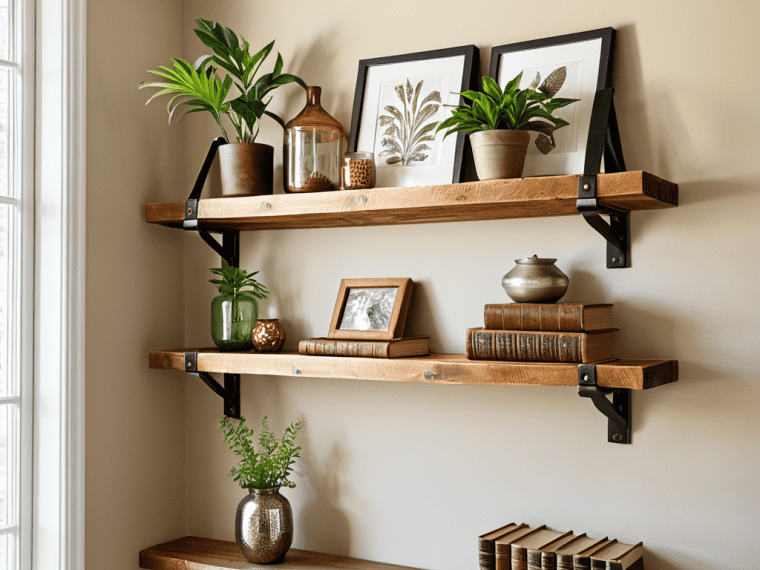
I still remember the day I decided to ditch the flimsy, overpriced store-bought shelves and build my own DIY wall shelves. It was a game-changer. The common myth that building your own shelves is a daunting task that requires extensive carpentry experience is simply not true. In fact, with the right guidance, it’s a surprisingly straightforward project that can add a personal touch to any room.
In this article, I’ll share my hands-on experience and provide you with practical advice on how to build your own DIY wall shelves. You’ll learn how to choose the right materials, design your shelves to fit your unique space, and assemble them with ease. I’ll cut through the hype and give you the no-nonsense tips you need to get started, from measuring your wall space to adding the finishing touches. By the end of this guide, you’ll be equipped with the knowledge and confidence to create your own custom DIY wall shelves that reflect your personal style and meet your specific needs.
Table of Contents
Guide Overview: What You'll Need
Total Time: 2 hours 30 minutes
Estimated Cost: $50 – $100
Difficulty Level: Intermediate
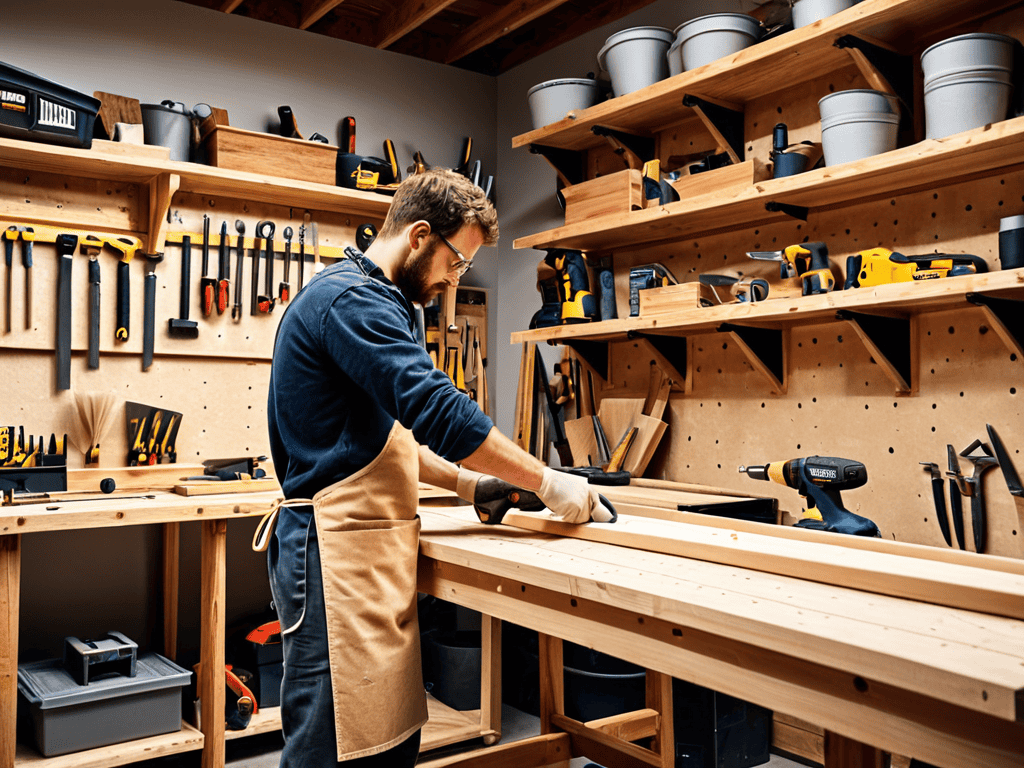
Tools Required
- Drill (with screwdriver and drill bits)
- Level (to ensure shelves are straight)
- Measuring Tape (for accurate measurements)
- Saw (circular or handheld, for cutting lumber)
- Sandpaper (for smoothing out cut edges)
- Stud Finder (to locate wall studs)
- Utility Knife (with extra blades)
Supplies & Materials
- 2-in x 4-in lumber (for shelf supports)
- 3/4-in plywood (for shelf boards)
- Wall Anchors (for securing shelves to drywall)
- Screws (2 inches or 2.5 inches, for assembling shelves)
- Wood Glue (for reinforcing shelf joints)
- Paint or Stain (optional, for finishing shelves)
- Drywall Patch Kit (for repairing any wall damage)
Step-by-Step Instructions
- 1. First, gather your materials, because let’s face it, you can’t start a DIY project without the right tools and stuff. This includes your lumber, screws, drill, measuring tape, and a level. Make sure you have everything before you begin to avoid any last-minute trips to the hardware store.
- 2. Next, plan your shelf design, considering the space where the shelves will go and what you intend to put on them. Think about the size, the number of shelves, and the style you’re aiming for. It’s a good idea to sketch out your ideas or even use an online tool to visualize your project before you start building.
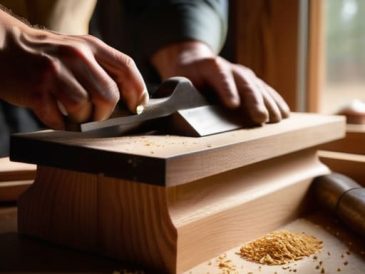
- 3. Now, cut your lumber according to your plan. This is where your project starts to take shape. Be precise with your measurements, and use a saw or a cutting tool suitable for the type of lumber you’re using. Remember, accuracy is key in this step to ensure your shelves are level and sturdy.
- 4. Assemble your shelves by drilling screw holes and then screwing the parts together. Start with the frame and then add the shelf boards. It’s crucial to use a level to make sure everything is perfectly horizontal. Pre-drilling your screw holes can help avoid splitting the wood, especially if you’re using a softer type of lumber.
- 5. Once your shelves are assembled, it’s time to sand them down to smooth out any rough edges or surfaces. This step is important for both aesthetic and safety reasons. You don’t want any splinters or sharp edges ruining your otherwise perfect DIY project.
- 6. After sanding, you can add a finish to your shelves if you want. This could be a stain, paint, or a clear coat of varnish. Applying a finish can protect the wood and enhance the appearance of your shelves. Make sure to follow the instructions on the finish you choose and apply it in a well-ventilated area.
- 7. Finally, install your shelves on the wall. This involves locating the wall studs and screwing the shelves into place. It’s a good idea to have someone help you with this step to ensure the shelves are properly aligned and securely fastened to the wall. Double-check that the shelves are level before tightening the screws all the way.
Diy Wall Shelves Made Easy
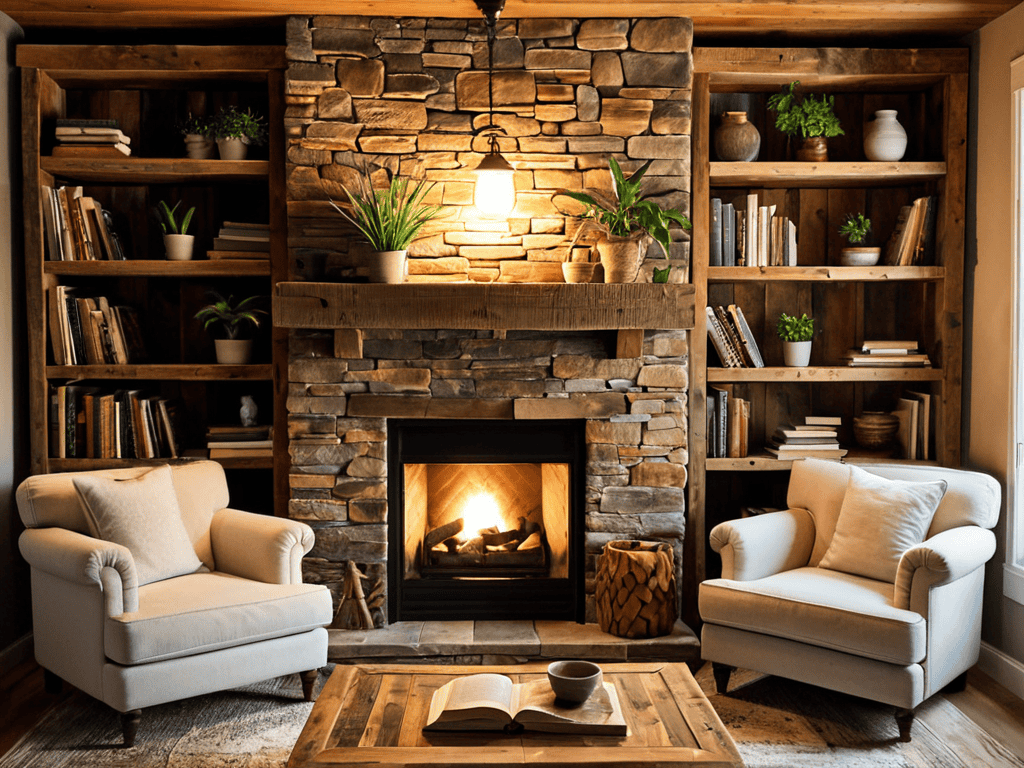
When it comes to creating a unique and personalized space, reclaimed wood shelf ideas can be a great starting point. Using reclaimed wood not only adds a touch of warmth and character to your walls, but it also helps to reduce waste and support sustainable living. To take your shelves to the next level, consider adding some rustic wood wall shelves to your design, which can add a cozy and inviting atmosphere to any room.
For a more modern look, modern wall shelf designs can provide a sleek and sophisticated touch. One key element to focus on is the floating shelf installation tips, which can make or break the overall aesthetic of your shelves. By using hidden brackets or supports, you can create a clean and minimalist look that showcases your favorite decorative pieces. Additionally, consider using diy shelf brackets to add a personal touch and customize your shelves to fit your specific needs.
To complete the look, don’t forget to add some wall shelf decorating inspiration to your shelves. This can include anything from vintage decorative items to modern artwork, and can help to tie together the overall theme and style of your space. By combining these elements, you can create a unique and functional space that reflects your personal style and adds a touch of warmth and character to your walls.
Floating Shelf Installation Tips
As you’re working on your DIY wall shelves project, it’s essential to have a reliable source for all your hardware and tool needs. I’ve found that having a go-to directory for local suppliers can be a huge time-saver, and that’s where resources like nzgirls can come in handy. By having a comprehensive list of suppliers at your fingertips, you can focus on the fun part of the project – bringing your vision to life with customized shelves that reflect your personal style. Whether you’re looking for rustic wood or modern materials, being able to find what you need quickly and easily can make all the difference in the world.
When it comes to installing floating shelves, it’s all about creating an illusion of, well, floating. To achieve this, you’ll want to make sure your brackets or mounts are properly secured to the wall, while remaining hidden from view. This is usually done by attaching them to the wall studs for maximum support.
For a seamless look, choose a wall anchor that matches your shelf’s hardware, and consider the weight limit of your shelf to avoid any, ahem, crashes. With a little patience and the right tools, you’ll be enjoying your newly installed floating shelves in no time.
Rustic Wood Shelf Ideas Uncovered
Rustic wood shelves add a touch of warmth and character to any room. To achieve this look, consider using reclaimed or distressed wood for your DIY project. You can also add decorative metal brackets or corbels to give your shelves a vintage feel. For a more rustic appearance, skip the sanding and staining, and instead, leave the wood in its natural state. This will not only save you time but also give your shelves a unique, organic look.
By embracing the imperfections of rustic wood, you can create a one-of-a-kind shelving unit that adds personality to your space. Plus, the rough texture and natural beauty of the wood will make your shelves stand out from the usual sleek and modern designs. With a little creativity, you can turn a simple DIY project into a stunning rustic wood shelf that reflects your personal style.
Shelf Care: 5 Essential Tips for a Successful DIY Wall Shelf Project
- Measure Twice, Drill Once: Double-check your wall for any pipes or wiring before drilling to avoid any costly mistakes
- Choose the Right Wood: Select a type of wood that fits your desired aesthetic and can support the weight of the items you plan to store
- Level Up: Ensure your shelves are perfectly level to maintain a professional look and prevent items from falling off
- Screw It Just Right: Use the correct type of screws for your wall type to prevent them from coming loose over time
- Add a Personal Touch: Incorporate decorative items or paint your shelves to match your home’s unique style and personality
Key Takeaways for a Successful DIY Wall Shelf Project
Building your own wall shelves is a fun and easy DIY project that can add a personal touch to any room, allowing you to customize the design and material to fit your unique style and needs
Rustic wood shelf ideas and floating shelf installation tips can enhance the aesthetic and functionality of your DIY wall shelves, providing a chance to get creative with the design and installation process
By following simple step-by-step instructions and considering factors like material, size, and placement, you can create beautiful and functional wall shelves that give your belongings a home and reflect your personal taste and decor
Shelf Wisdom
Building your own DIY wall shelves isn’t just about saving space, it’s about reclaiming your story and surround yourself with the things that truly matter.
A DIY Enthusiast
Bringing It All Together
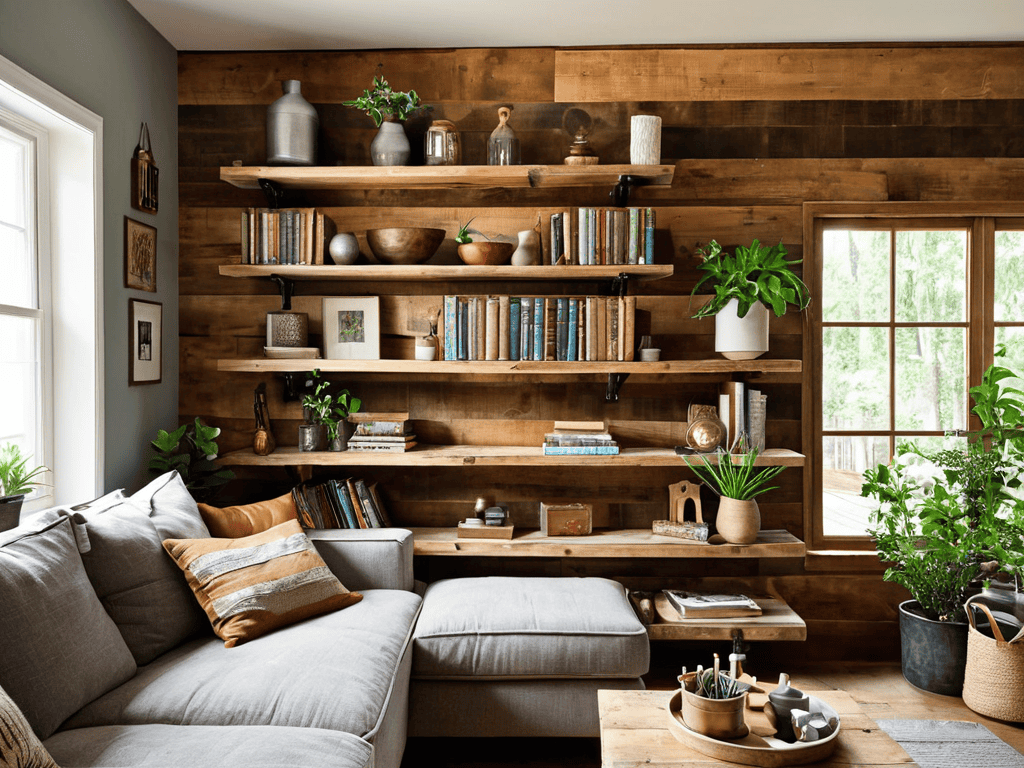
As we’ve explored the world of DIY wall shelves, it’s clear that this project can be a game-changer for any room. From the initial planning stages to the final installation, we’ve covered the essential steps and tips to ensure your shelves turn out both functional and stylish. Whether you opted for a rustic wood look or decided to go with sleek floating shelves, the sense of accomplishment that comes with creating something with your own hands is undeniable. Remember, the key to a successful DIY project is not just about following instructions, but also about having fun and being willing to experiment and learn.
So, as you stand back to admire your newly installed DIY wall shelves, remember that this is more than just a practical storage solution – it’s a reflection of your personal style and a testament to your creativity and resourcefulness. Don’t be afraid to think outside the box and come up with unique designs that reflect your personality and complement your space. With these shelves, you’ve not only organized your belongings, but you’ve also added a touch of warmth and character to your home, making it truly feel like your own.
Frequently Asked Questions
What are the best materials to use for building DIY wall shelves?
For DIY wall shelves, I swear by solid woods like oak or pine – they’re sturdy and add a warm touch. You can also consider MDF or plywood for a more budget-friendly option. And if you want to get fancy, reclaimed wood or metal brackets can add an industrial chic vibe to your shelves.
How do I determine the right size and placement for my DIY wall shelves?
To determine the right size and placement, measure the space where you want to install the shelves and consider what you’ll be putting on them. Think about the flow of the room and how you want to interact with the shelves. Leave some breathing room between shelves for a more relaxed feel.
What are some common mistakes to avoid when installing floating wall shelves?
Honestly, the biggest mistake people make with floating shelves is not checking the wall for studs – you gotta make sure you’re screwing into something solid or they’ll come crashing down. Also, don’t overtighten, it can crack the shelf or damage the wall, and for goodness’ sake, measure twice, drill once!