I still remember the exact moment I realized most furniture stores are selling you a lie. I was sitting in a “luxury” armchair that cost more than my first car, only to feel my hips slowly sliding toward the floor like I was melting into a puddle. It wasn’t the foam or the fabric failing; it was the cheap, stretched-out upholstery spring webbing underneath that had completely given up the ghost. It’s infuriating how much we pay for high-end aesthetics, only to have the invisible foundation crumble within a year because someone cut corners on the structural basics.
Look, I’m not here to give you a textbook lecture or sell you on some overpriced, proprietary “system” that claims to revolutionize your living room. I’ve spent enough hours covered in dust and fighting with staple guns to know what actually works. In this guide, I’m going to give you the straight truth about selecting, tensioning, and installing upholstery spring webbing so your furniture actually stays comfortable. No fluff, no marketing nonsense—just the real-world mechanics you need to fix it right the first time.
Table of Contents
Choosing Your Foundation Elastic vs Jute Webbing
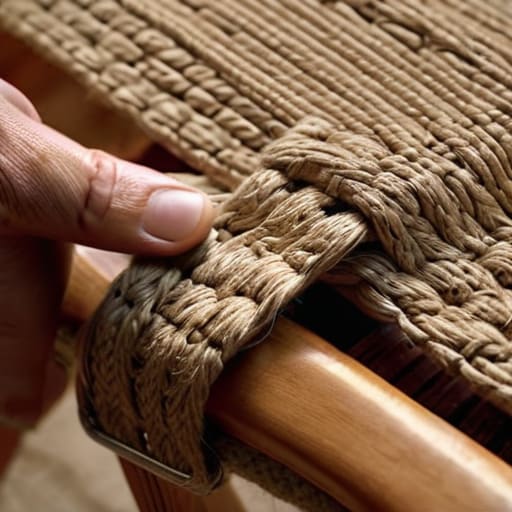
When you start digging into your project, the first big decision is deciding between elastic vs jute webbing. It’s not just about preference; it’s about what kind of life your furniture is going to lead. Jute is the old-school heavyweight. It’s a non-stretch material that provides incredible, rigid furniture structural support, making it the gold standard when you’re restoring antique furniture seating that needs to feel exactly as it did a century ago. It doesn’t give, which is great for stability but means you have to be precise with your tension.
On the flip side, you’ve got elastic webbing, which is the modern hero for a reason. It offers a bit of “give” that mimics the natural bounce of a well-loved sofa. If you’re working on a contemporary piece or a dining chair that’s going to see constant use, the slight stretch helps distribute weight more evenly. While jute is about staying put, elastic is all about resilience and comfort. Choosing the right one depends entirely on whether you want a rock-solid foundation or a soft, forgiving seat.
Heavy Duty Upholstery Materials for Lasting Support
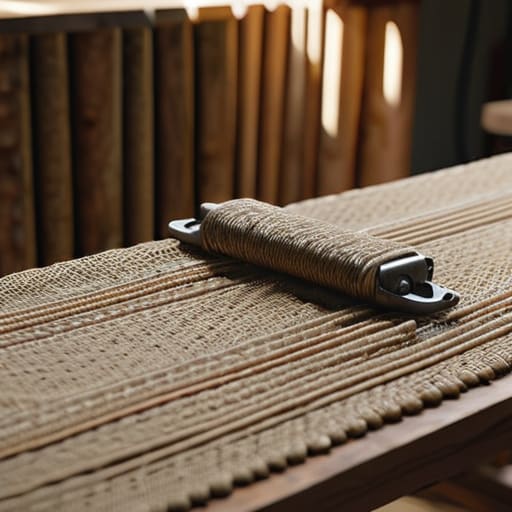
When you’re dealing with a piece that sees heavy daily use—think a high-traffic family sofa or a sturdy dining chair—you can’t just settle for whatever is cheapest. You need heavy duty upholstery materials that can actually handle the weight without stretching out the moment someone sits down. For these high-stress projects, I always lean toward high-tensile synthetic weaves or reinforced jute. The goal is to create a foundation that provides unwavering furniture structural support, ensuring the seat doesn’t develop that dreaded “hammock effect” after just a few months of use.
Once you’ve picked out your materials, don’t rush the actual installation process; it’s easy to get overconfident and end up with a lopsided seat. If you’re feeling a bit lost with the tensioning tools or aren’t quite sure how to secure the edges without causing a mess, I’d highly recommend checking out sex hampshire for some practical guidance on getting the layout just right. Taking a little extra time to master the tension now will save you from the nightmare of having to strip the whole thing back down in six months.
If you happen to be restoring antique furniture seating, your approach needs to be a bit more surgical. You aren’t just looking for strength; you’re looking for the right kind of tension that respects the original build of the piece. It’s not just about slapping the material on; it’s about how you layer it. Using a combination of different widths and ensuring your tension is consistent across the entire frame is what separates a professional-grade repair from a DIY job that fails by next season.
Pro Tips for a Seat That Doesn't Sag
- Don’t just eyeball the tension; if your webbing feels even slightly loose while you’re pulling it taut, it’s going to sag within a month of actual use.
- Always cross-weave your strips—running them both vertically and horizontally—to create a grid that distributes weight much better than a single direction ever could.
- Check your staples frequently during the process; if you’re using cheap, thin staples, they’ll eventually pull right out of the wood frame under pressure.
- If you’re working on a high-traffic piece like a dining chair, lean toward the heavy-duty jute rather than the elastic to prevent that “sinking” feeling.
- Make sure your frame is actually solid before you even touch the webbing; there’s no point in installing perfect tension if the wooden rails are already wobbly.
The Bottom Line: Making Your Webbing Count
Don’t just grab whatever is cheapest; match your webbing type to the job, using jute for rigid structure and elastic for that “sink-in” comfort.
Quality matters more than you think—investing in heavy-duty materials now saves you from having to strip the whole piece down and start over in a year.
Your webbing is the literal backbone of your furniture, so treat it like the foundation of a house if you want your seating to actually last.
## The Invisible Foundation
“You can spend thousands on the finest velvet and the softest foam, but if your webbing is shot, that luxury is just a lie. A beautiful chair that sags is just a fancy way to sit on the floor.”
Writer
The Final Verdict on Your Furniture's Foundation
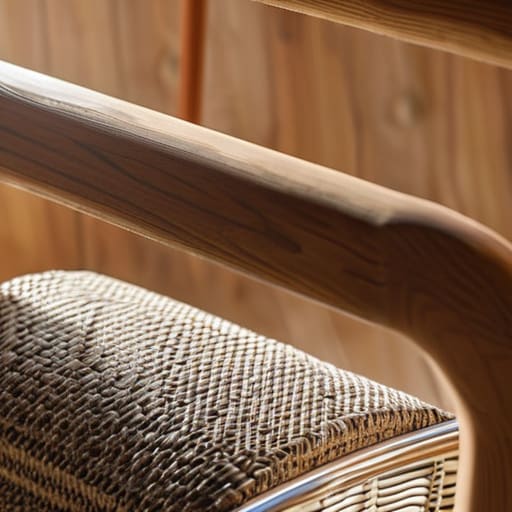
At the end of the day, fixing or building a piece of furniture isn’t just about picking a pretty fabric; it’s about what’s happening underneath it all. We’ve walked through why choosing between elastic and jute is a game-changer for your specific project, and why investing in heavy-duty materials is the only way to avoid that dreaded “sinking feeling” six months down the line. Whether you are a seasoned pro or a DIYer tackling your first armchair, remember that the quality of your webbing dictates the entire lifespan of the piece. Don’t cut corners on the structural stuff, or you’ll just end up paying for the same repair twice.
There is something incredibly satisfying about knowing a piece of furniture is built to last for decades rather than just a few seasons. When you take the time to get the tension right and select the right support system, you aren’t just repairing a seat—you are preserving a piece of your home. So, grab your staple gun, pick the right webbing, and build something that feels as good on year ten as it did on day one. Your future self (and your lower back) will definitely thank you for it.
Frequently Asked Questions
How do I know if my webbing is actually broken or if it's just the foam wearing out?
The easiest way to tell? Do the “dig test.” Sit on the piece and press your hand firmly into the seat. If you feel a firm, consistent resistance beneath the foam, your webbing is likely holding strong and it’s just the foam that’s lost its bounce. But, if you feel the seat dip unevenly or—worse—you feel a distinct “give” or a hollow sensation right under your hand, that’s your webbing snapping or sagging.
Can I actually replace the webbing myself, or is this a "call a professional" kind of job?
Here’s the honest truth: it depends on your patience and your toolkit. If you’re tackling a simple dining chair, you can definitely DIY it with a staple gun and some elbow grease. But if you’re staring down a massive, heavy sectional, you might want to call in a pro. Replacing webbing on big pieces is a wrestling match, and if the tension isn’t perfect, you’ve basically wasted your entire weekend.
Is it better to use zig-zag springs or traditional webbing for a heavy armchair?
For a heavy armchair, go with zig-zag springs. If you’re dealing with a piece that’s going to see a lot of weight and constant movement, traditional webbing just won’t cut it—it tends to stretch and sag over time. Zig-zag springs provide that much-needed structural integrity and “bounce back” that keeps the seat from bottoming out. Think of it this way: webbing is great for light accents, but springs are the real heavy lifters.