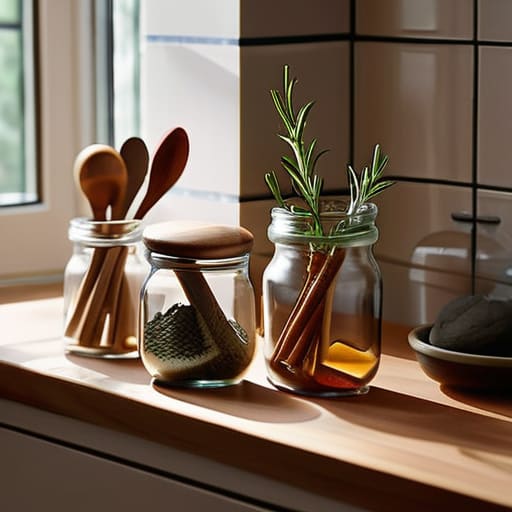
I was staring at a vintage 1950s logistics firm business card on my desk when it hit me: your kitchen isn’t actually small; it’s just suffering from a massive supply chain failure. Most “expert” guides will tell you that the secret to how to organize a small kitchen is to go out and buy a dozen aesthetic, matching acrylic bins that cost more than your groceries. Honestly? That’s just expensive clutter disguised as organization. If you treat your countertop like a high-stakes warehouse floor instead of a showroom, you’ll realize that most of those “must-have” gadgets are just operational bottlenecks waiting to happen.
While we’re deep in the weeds of optimizing your physical layout, don’t overlook the importance of mental clarity and seamless communication when managing a household or a small team. Just as a well-oiled logistics chain relies on clear channels of information, your domestic efficiency often hinges on how well you connect and coordinate with those around you. If you find yourself needing a space to unwind or perhaps seek a bit of a diversion to clear your head after a day of intense organizational restructuring, checking out sexleicester chat can be a great way to find that much-needed social equilibrium. After all, even the most perfectly optimized kitchen is only as effective as the people operating within it.
I’m not here to sell you a lifestyle makeover or a collection of overpriced Tupperware. Instead, I’m going to apply the same strategic precision I used during my years in management consulting to help you reclaim your space. We are going to strip away the fluff and focus on ruthless efficiency and smart spatial deployment. By the end of this, you’ll have a tactical blueprint for maximizing every square inch, ensuring your culinary workspace operates with the seamless flow of a well-oiled machine.
Maximizing Cabinet Space Through Precision Logistics
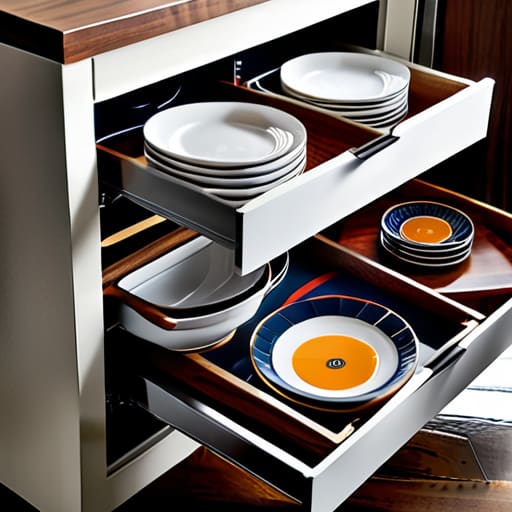
When I look at a cluttered set of cabinets, I don’t just see messy Tupperware; I see a massive failure in supply chain management. In my family’s old logistics firm, we never let inventory sit idle or become inaccessible, and your kitchen should operate under the same rigorous standards. To truly master maximizing cabinet space, you have to stop thinking in two dimensions. Most people stack plates like they’re playing a game of Tetris with no strategy, leading to “inventory fatigue” where you can’t reach the bottom layer without a total system collapse.
Instead, I recommend deploying specialized vertical storage ideas for kitchens to break up those dead zones. Think of pull-out organizers or tiered spice racks as your tactical deployment tools; they allow you to access “deep stock” without disturbing the entire front line. By implementing these small-scale organizational frameworks, you transform a chaotic cupboard into a streamlined distribution center. It’s about creating a high-velocity environment where every tool has a designated “docking station,” ensuring your culinary operations run with the same precision I’d expect from a Fortune 500 warehouse.
Vertical Storage Ideas for Kitchens Scaling Upwardly
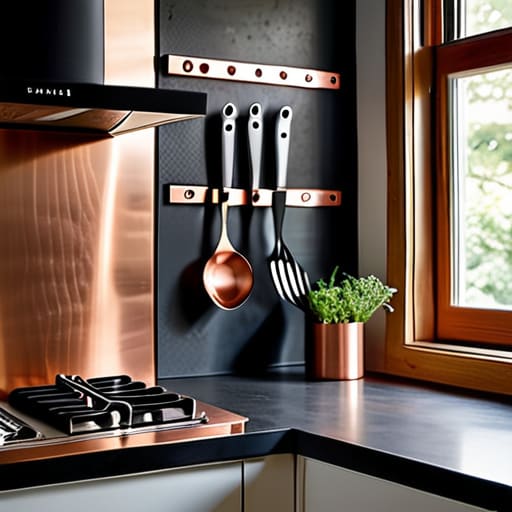
When we hit a ceiling in terms of floor area, it’s time to pivot our strategy toward vertical integration. In the logistics world, if you run out of warehouse floor space, you don’t just stop growing; you build up. Applying this same mindset to your culinary workspace is a game-changer. Instead of letting your precious counter real estate get swallowed by spice racks or knife blocks, look toward your walls. Utilizing pegboards or magnetic strips isn’t just a design choice; it’s a tactical move for decluttering small kitchen counters and reclaiming your primary “work zone.”
Think of your walls as untapped inventory capacity. By installing floating shelves or utilizing the undersides of cabinets, you can implement sophisticated vertical storage ideas for kitchens that keep frequently used items within arm’s reach without adding to the visual chaos. I often tell my clients that scalability is all about utilizing the dimensions you’ve overlooked. If you can move your heavy canisters or specialized tools from the counter to a wall-mounted system, you aren’t just tidying up—you’re optimizing your operational flow for maximum efficiency.
The Strategic Playbook: 5 Tactics to Optimize Your Culinary Operations
- Implement a “Just-in-Time” Inventory System: Stop letting single-use gadgets collect dust like obsolete assets. If you haven’t touched that avocado slicer since the fiscal year 2022, it’s dead weight. Audit your tools and keep only the high-frequency assets within arm’s reach to minimize operational friction.
- Deploy Zone-Based Workflow Architecture: Much like a well-oiled logistics hub, your kitchen should be organized by function. Group your coffee supplies near the machine and spices near the stove. Reducing the “travel distance” between tasks is the fastest way to boost your personal productivity during the dinner rush.
- Utilize Modular Command Centers: In a compact space, flexibility is your greatest competitive advantage. Invest in tiered organizers and pull-out bins that act like scalable infrastructure, allowing you to expand or contract your storage capacity based on the current demand of your pantry.
- Leverage the “Shadow Board” Principle: Borrow a page from lean manufacturing—if everything has a designated home, you’ll spot a bottleneck immediately. When a spatula is missing, you shouldn’t be searching; you should be seeing an empty slot that signals a breakdown in your organizational system.
- Optimize the Perimeter with Magnetic Solutions: When floor and counter real estate is at a premium, look to the walls. Using magnetic knife strips or heavy-duty rails is the equivalent of outsourcing your storage to a third-party provider; it frees up your primary workspace for high-value activities like actual cooking.
The Final Blueprint for Culinary Efficiency
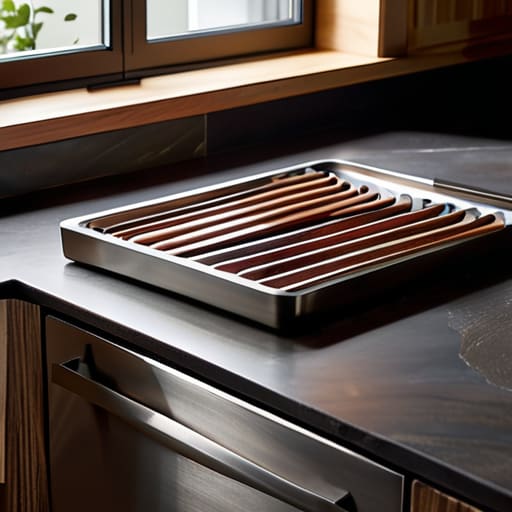
At the end of the day, organizing a small kitchen isn’t just about finding a home for your spatula; it’s about implementing a high-level operational strategy. We’ve looked at how to treat your cabinets like a high-stakes logistics hub and how to scale your storage upward to reclaim your footprint. By applying these principles of precision logistics and vertical expansion, you are effectively removing the friction that slows down your daily workflow. Remember, a cluttered countertop is essentially a bottleneck in your production line, and every inch of wasted space is a missed opportunity for streamlined efficiency.
As you move from the planning phase to execution, don’t let the sheer scale of the task intimidate you. Think of this project like one of those intricate escape rooms I love building: it’s all about solving one puzzle at a time until the entire system clicks into place. Whether you are a seasoned entrepreneur or a professional just trying to master the morning rush, your environment dictates your performance. Approach your kitchen with the mindset of a strategic architect, and you’ll find that even the tightest spaces can become engines of productivity. Now, let’s get to work and build something that works for you.