When I visited the doctor’s office, I noticed big changes. A nurse came in with a tablet full of my health info. This included my history, lab results, and data from my wearable device. It was clear we’re entering a new era in healthcare.
Personalized medicine is now at the forefront. Thanks to Smart Tech in Healthcare, like AI and wearable tech, my treatment can be made just for me. No more generic meds. Instead, I can get care that fits my unique genetics and lifestyle.
This article will explore how smart health tech is changing patient care. It’s making healthcare more personalized and tailored to each individual.

Key Takeaways
- The rise of smart health tech is transforming personalized medicine.
- AI technologies enhance the accuracy of diagnostics and treatment plans.
- Wearable devices empower patients by providing real-time health data.
- Data integration plays a critical role in customizing healthcare solutions.
- Personalized medicine focuses on individual patient needs, not a generic approach.
Introduction to Smart Health Tech in Personalized Medicine
Smart Health Tech is changing the medical world. It uses advanced technology in healthcare. This makes patient care better and more personal.
It changes how we see treatment, diagnosis, and health management. This is a big step forward.
The Definition of Smart Health Tech
Smart Health Tech includes things like wearable devices and telehealth. These tools help doctors get real-time data. They can then tailor treatments for each patient.
These technologies help patients and doctors talk better. They also help manage chronic diseases more efficiently.
How Smart Health Tech Influences Patient Care
Smart Health Tech changes patient care a lot. It helps create treatment plans that fit each patient’s needs. This is thanks to detailed data analysis.
With digital health records and telehealth, care is more accessible. Patients and doctors make better decisions. This improves the quality of care for everyone.
The Role of AI in Smart Tech in Healthcare
Artificial intelligence is key in making healthcare better. It helps in many ways, from finding diseases to suggesting treatments. AI can look through lots of data fast and right, helping doctors make better guesses.
Enhancing Diagnostic Accuracy
AI helps doctors spot things they might miss. It uses special algorithms to go through a lot of health data. This makes it less likely for mistakes to happen.
AI is really good at helping in areas like looking at X-rays. It can find diseases early, which is a big help.
AI-Powered Treatment Recommendations
AI helps make treatment plans that fit each patient. It uses their health history and current info. This way, treatments are more personal and effective.
Studies show AI helps a lot with long-term health issues. It makes patients more likely to follow their treatment plans. Companies like IBM Watson show how AI can change healthcare for the better.
Wearable Health Technology and Patient Empowerment
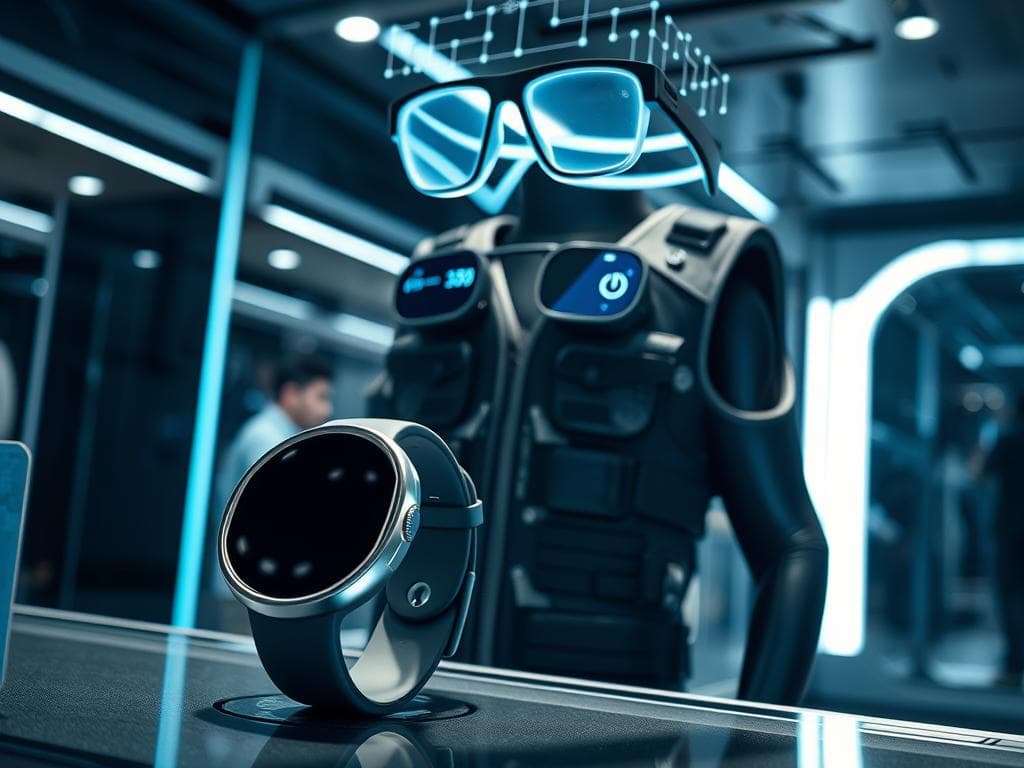
Wearable health technology has changed how I manage my health. Smartwatches and fitness bands have grown from simple fitness trackers to advanced health monitors. They give me constant updates on my activities and track important health signs like heart rate and oxygen levels.
Advancements in Health Tracking Devices
Today’s wearable tech does more than count steps. Brands like Apple, Fitbit, and Garmin offer detailed health insights. I can see how my fitness is doing, get alerts for heart issues, and track my sleep. These tools help me make better health choices with real-time data.
Data Integration for Personalized Care
Connecting device data with healthcare systems is a big step forward for personalized care. It lets doctors see my health status, helping them create better plans for me. This teamwork makes me feel more involved in my health care. New tech like implants and smart clothes show how far we can go in managing health.
Conclusion
In this discussion, we’ve looked at how smart health technology is changing personalized medicine. AI, advanced medical devices, and wearable tech are leading the way. They help make healthcare more tailored to each person’s needs.
This shift towards personalized medicine is exciting. It shows how technology can help both patients and doctors. By using smart tech, we can get treatments that really fit each person’s health situation.
Looking ahead, it’s important for healthcare to keep up with these changes. Using new technologies and methods is key to better health care. This way, we can make sure everyone gets the care they need, making health care more personal and effective.