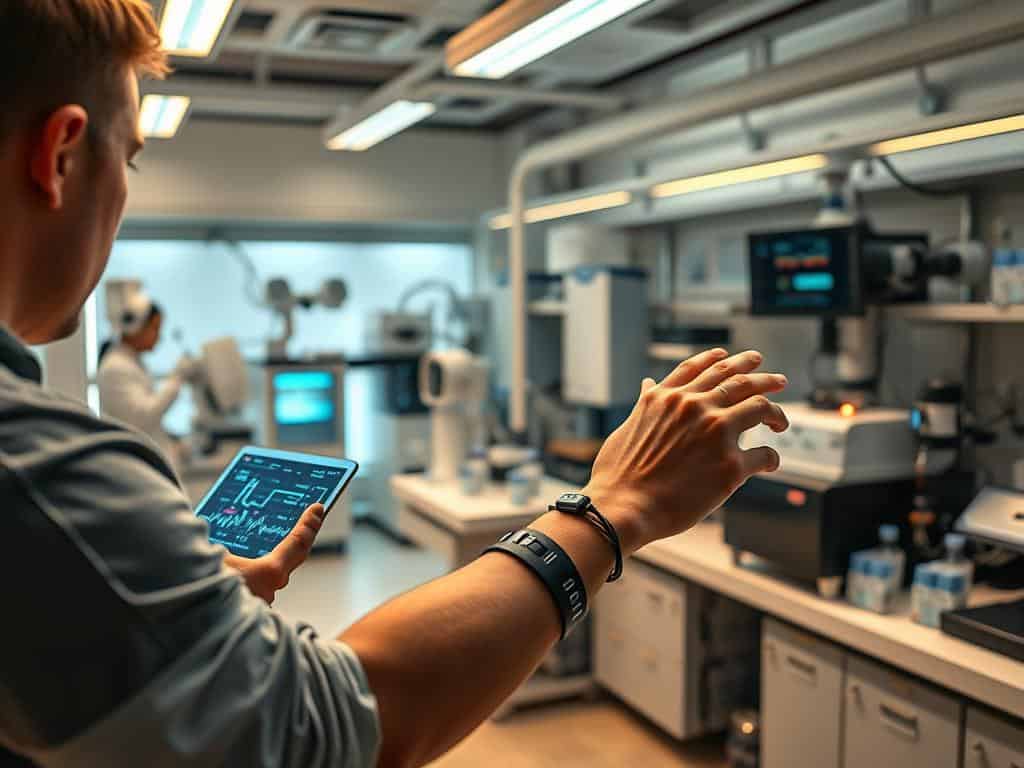
In today’s world, biology and technology are merging more than ever. I often think back to my first wearable health tech—a simple fitness tracker. It tracked my heart rate and steps. It was more than a device; it was a tool for better health.
Every notification pushed me to move or breathe better. This change from tracking to improving our abilities is amazing. Pioneers like Dave Asprey are leading the way in this field. They show us how tech can unlock our full human capacity.
The future of biohacking is full of promise. I’m excited to see how it will change our lives every day.
Key Takeaways
- Biohacking merges biology and technology to enhance human performance.
- Wearable health tech is a catalyst for personal health optimization.
- Pioneers in the field are redefining our understanding of wellness and human capability.
- The ethical implications of biohacking must be considered as technology evolves.
- Continuous advancements open up new avenues for individualized health solutions.
Understanding Biohacking and Its Evolution
Biohacking is a field that many find fascinating. It aims to improve health and well-being. The definition of biohacking includes many practices to enhance human abilities. It combines ancient wisdom with modern science for self-improvement.
What Is Biohacking?
Biohacking is about making health personal. It lets me adjust my lifestyle based on my needs. It’s about using data for better health.
By applying science, I make choices that benefit my body. This approach is powerful for self-care.
Types of Biohacking Practices
There are many biohacking practices. Nutritional biohacking focuses on diet tailored to my genes. It’s about how food affects me at a molecular level.
Genetic biohacking uses advanced tech like CRISPR. It aims to prevent diseases and boost performance. This raises important questions about ethics and responsibility.
The DIY biology movement lets people experiment at home. It’s about self-discovery and growth. Biohacking keeps evolving, pushing health and wellness boundaries.
Technological Advancements in Biohacking
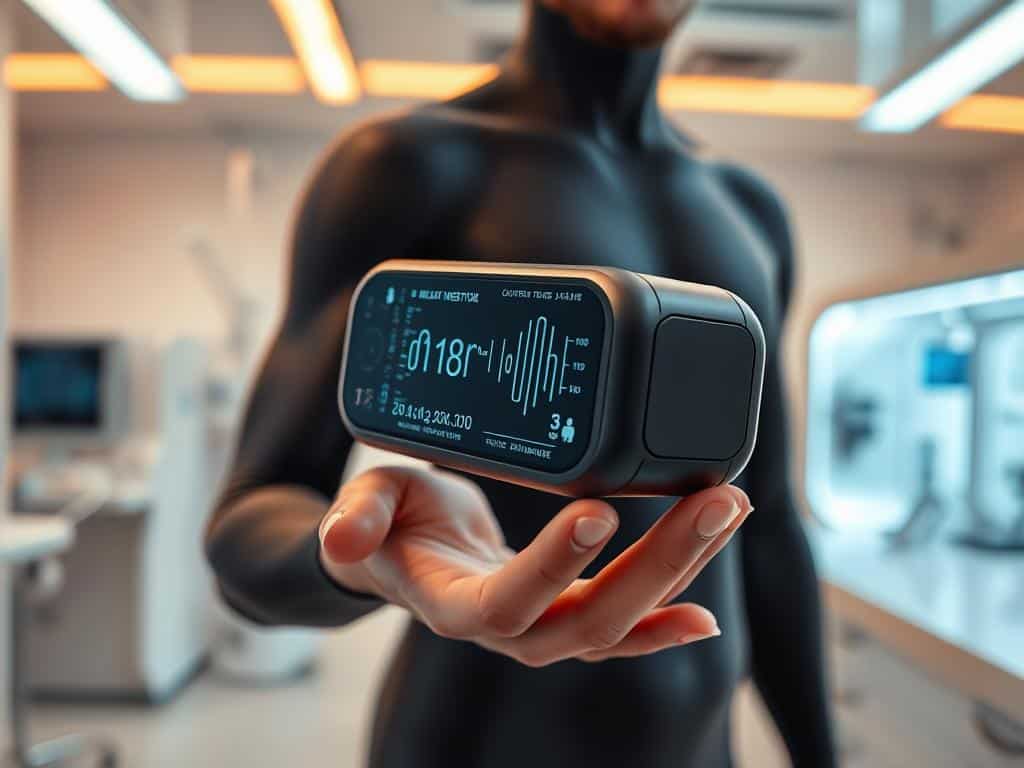
The world of biohacking is always changing thanks to new tech. Wearable health tech and implantable devices help us track and improve our health better. These tools give us insights into our health, helping us make better choices and manage our health our way.
Wearable Health Tech and Its Impact
Wearable tech like smartwatches and fitness trackers change how we monitor our health. They let us keep an eye on our heart rate, sleep, and stress levels all the time. This info helps us tweak our daily habits to stay healthy.
Implantable Technologies in Biohacking
Implantable devices take health monitoring to a new level. Things like RFID chips and glucose monitors help us manage chronic conditions better. They give us detailed health data from inside our bodies. With AI, they offer personalized health tips, helping us focus on our well-being.
Conclusion
The future of biohacking looks bright, thanks to new tech and health advancements. We’re seeing big changes, like AI helping with health and new ways to edit genes. These innovations could greatly improve how we feel and perform.
But, there are also challenges ahead. Biohacking raises important ethical questions. Without rules, some methods could be misused. It’s key for experts and leaders to work together to make sure biohacking is safe and fair for everyone.
In the end, biohacking will be key to making us healthier as we move forward. If we use these technologies wisely, we can make our lives better. And by doing so, we’ll also ensure that biohacking is done in an ethical way, leading to a healthier future.


