
Starting my gardening journey was both exciting and scary. I had a packet of seeds and an old trowel. I stepped into my backyard, ready to grow my own vegetables. The sun was out, and I felt hopeful.
I worried about having a “black thumb.” Would my plants fail? But, gardening turned out to be very rewarding. Seeing my plants grow was incredibly fulfilling.
This experience taught me that gardening is more than just growing plants. It’s a hobby that brings joy and fresh food to your home. It also helps you grow as a person.
In this article, I want to share my gardening tips with you. We’ll cover the basics, finding the best spot for your garden, and how to plant. I’m here to help you grow your garden with confidence.
Key Takeaways
- Gardening is a rewarding hobby that can alleviate the fear of failure.
- Understanding the basics is key for successful gardening.
- Choosing the right spot for your garden is important.
- Quality soil is essential for healthy plants.
- Picking the right plants is vital for a thriving garden.
- Containers can be a good option if you have limited space.
Understanding the Basics of Home Gardening
Starting a home garden needs a basic understanding of a few key points. Knowing the best practices can greatly improve my gardening success. Important factors include picking the right garden spot, knowing my hardiness zone, and understanding frost dates. These all affect plant health and growth.
Choosing the Right Location for Your Garden
I look for a spot that gets 6 to 8 hours of direct sunlight each day. Most vegetables need this much sunlight to grow well. The area should also drain well to prevent water from causing root rot.
It’s best to avoid windy spots and make sure the soil is full of nutrients. This helps my garden grow better.
Identifying Your Hardiness Zone
Knowing my hardiness zone helps me pick plants that can handle my area’s coldest winters. By using the hardiness zone map, I can find the best plants for my climate. This knowledge is key to a successful garden.
Understanding Frost Dates
Frost dates are important for planning my garden. Knowing the last spring frost date in my area helps me plant at the right time. This avoids damage to young plants from cold weather. Using this info makes my garden more productive.
Essential Gardening Tips for Beginners
Starting my gardening journey is exciting. I need to know the basics to create a thriving garden. This includes using quality soil, picking the right plants, and using containers for small spaces.
Starting with Quality Soil
Quality soil is key for my garden. I add compost to the soil to make it rich in nutrients. This helps my plants grow strong and healthy.
Selecting the Right Plants
I choose plants that are easy to grow and my family likes. Lettuce, tomatoes, and peppers are great choices. Starting with vigorous young plants increases my chances of a good harvest.
Utilizing Containers for Limited Spaces
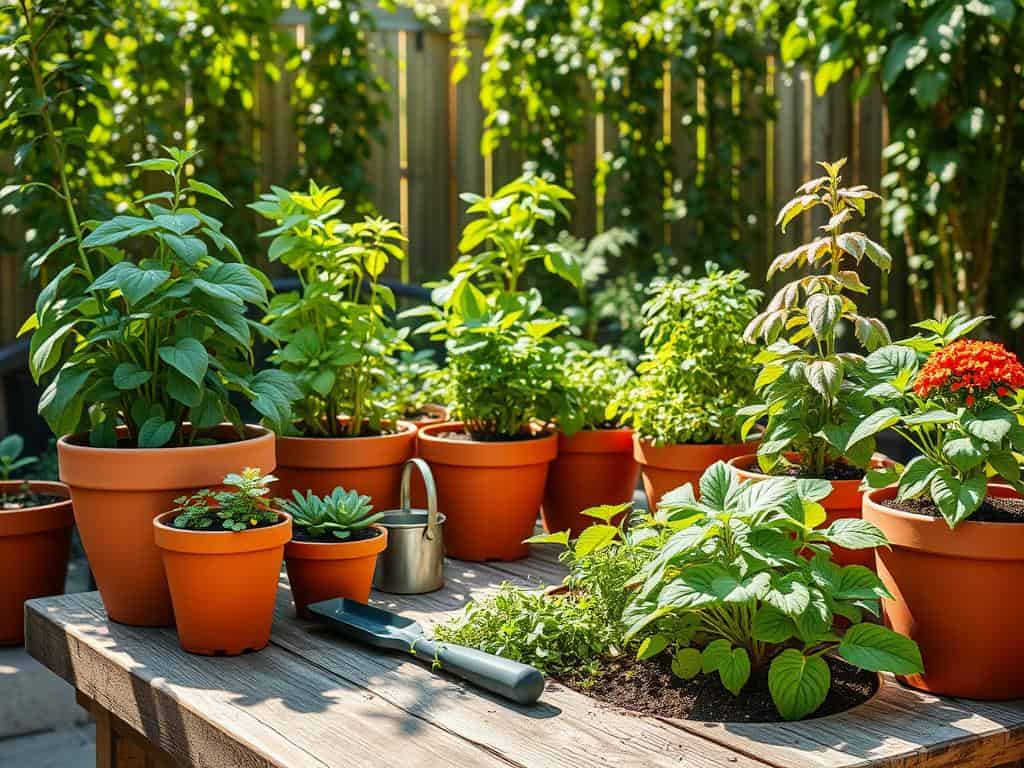
Container gardening is perfect for small spaces. I can grow veggies, herbs, and even small fruit trees in pots. It’s important to pick the right potting mix to keep my plants healthy.
Best Planting Tips for a Thriving Garden
To have a lush garden, you need more than just picking plants. Learning how to water them right and using mulch are key. These steps help keep the soil healthy and plants strong.
Watering Wisely
Watering plants correctly is vital for their growth. I check the soil moisture by sticking my finger in about an inch. If it’s dry, it’s time to water.
Too much water can harm the roots, causing rot. I make sure to water each plant according to its needs. This keeps the balance right.
Mulching for Soil Health
Mulching is a favorite of mine. It keeps the soil moist and stops weeds. Using 2 to 3 inches of organic mulch helps keep the soil temperature right.
As the mulch breaks down, it adds nutrients to the soil. This supports plant growth and makes the soil healthier.
Conclusion
Starting a garden can seem daunting, but it’s worth it. By following key tips, like picking the right spot and understanding soil, I’m on the right track. Techniques like watering and mulching help too.
Patience is key in gardening. Every step, from choosing seeds to watching them grow, is a learning experience. The hard work pays off with fresh food and a sense of pride.
By using these basic strategies, I can create a stunning garden. With dedication and care, I’m excited to start my gardening journey. I know the skills I learn now will help me in the future.


