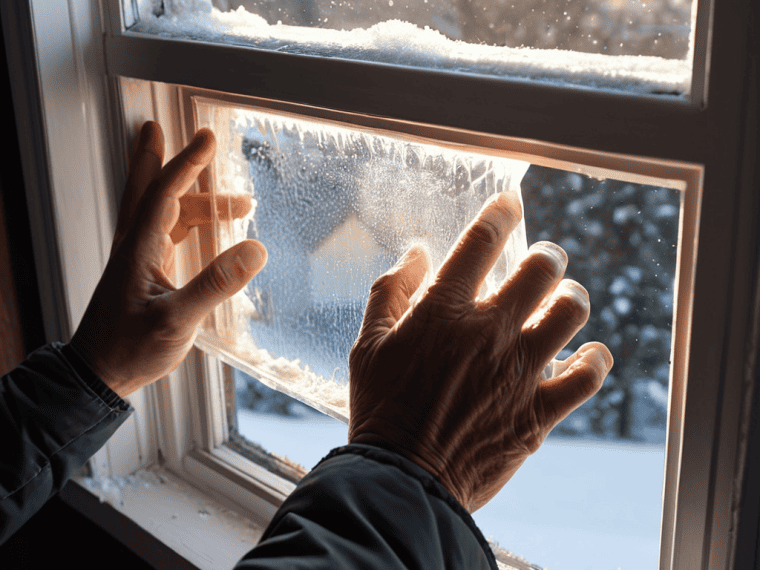
I’ll never forget the chill that ran down my spine every time I walked by my old windows during the winter months. It was as if the cold air was seeping into my bones, making me feel like I was freezing my butt off in my own home. This was all because I had neglected to prioritize Winterizing Drafty Windows, a task that seemed daunting at first but ultimately proved to be a game-changer. The myth that it’s a complicated and expensive process is simply not true – with the right guidance, anyone can do it.
In this article, I’ll share my personal experience and no-nonsense advice on how to effectively winterize your drafty windows without breaking the bank. You’ll learn how to identify the sources of the drafts, choose the right materials for the job, and apply simple yet effective techniques to keep the cold air out and the warm air in. By the end of this guide, you’ll be equipped with the knowledge to cozy up your place and make it feel like a warm haven, even on the chilliest of winter nights.
Table of Contents
Project Overview
Total Time: 2 hours 30 minutes
Estimated Cost: $20 – $50
Difficulty Level: Easy
Tools Required
- Utility Knife ((with extra blades))
- Drill ((for screwing in window insulation film))
- Measuring Tape ((for measuring window dimensions))
- Scissors ((for cutting window insulation film to size))
- Pencil ((for marking window frames))
Supplies & Materials
- Window Insulation Film ((clear plastic sheeting, 6 inches wide roll))
- Double-Sided Foam Tape ((1/4 inch thick, for sealing gaps))
- Caulk ((for sealing larger gaps around windows))
- Shrink Film ((for extra insulation, 3 mil thickness))
- 2-in x 4-in Lumber ((for creating a wooden stop to hold insulation in place))
Step-by-Step Instructions
- 1. First, let’s get started with the basics – sealing gaps and cracks around your windows is crucial for keeping the cold air out. Begin by inspecting your windows for any visible gaps or cracks, and make a note of the areas that need attention. You can use a candle or a piece of incense to help detect any air leaks.
- 2. Next, you’ll need to prepare your materials, which may include weatherstripping, caulk, or spray foam. Choose the right type of material for the job, depending on the size and location of the gaps. For example, weatherstripping is great for sealing gaps between windows and frames, while caulk is better suited for smaller cracks and crevices.
- 3. Now it’s time to apply the weatherstripping around your windows. Start by cleaning the area around the window frame to ensure a tight seal. Then, cut the weatherstripping to the right size and apply it to the frame, making sure to press it firmly into place. This will help prevent cold air from seeping in.
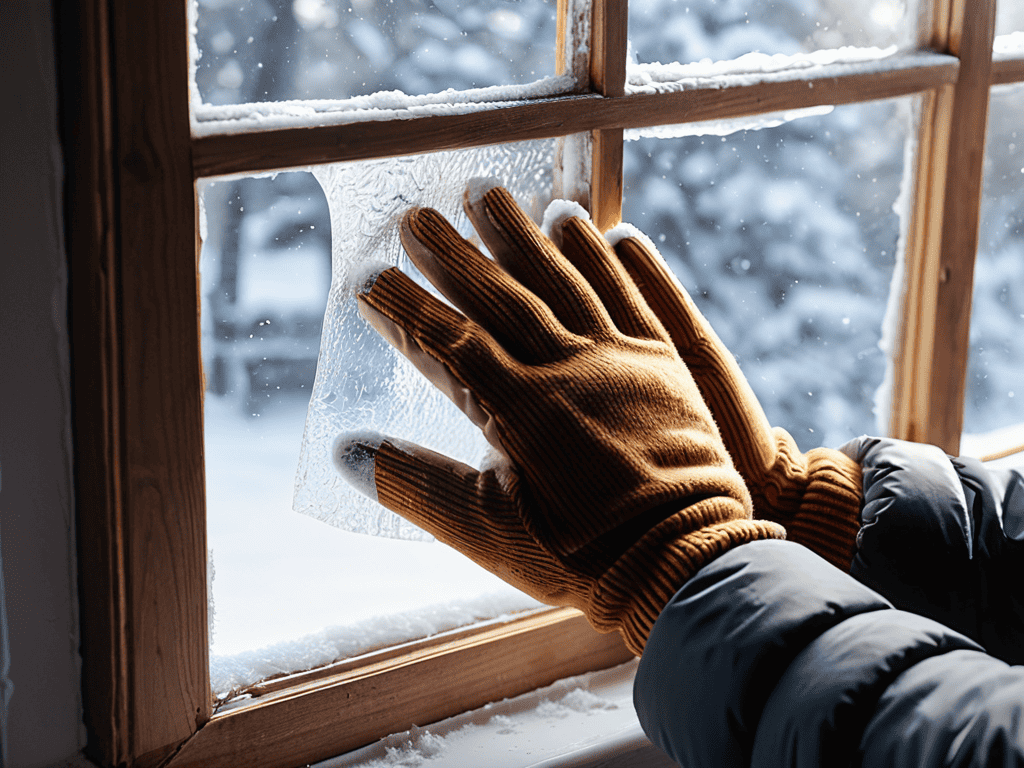
- 4. In addition to sealing gaps, you’ll also want to insulate your windows to keep them warm. Consider using thermal curtains or drapes, which can help keep the cold air out and the warm air in. You can also use window insulation kits, which typically include a plastic sheet that you apply to the window using a hair dryer or other heat source.
- 5. Another important step is to check and replace worn-out window seals. Over time, the seals around your windows can become worn out, allowing cold air to leak in. Inspect your windows for any signs of worn-out seals, and replace them if necessary. This may involve removing the old seal and applying a new one, or using a sealant to fill in any gaps.
- 6. To take your window winterization to the next level, consider adding some extra insulation around your windows. This can include installing window inserts or using foam board insulation to fill in any gaps between the window and the wall. These extra measures can help keep your windows warm and toasty, even on the coldest days.
- 7. Finally, don’t forget to maintain your windows throughout the winter season. Regularly check your windows for any signs of air leaks or damage, and make repairs as needed. You should also consider cleaning your windows regularly to keep them free of dirt and debris, which can help improve their energy efficiency.
Winterizing Drafty Windows
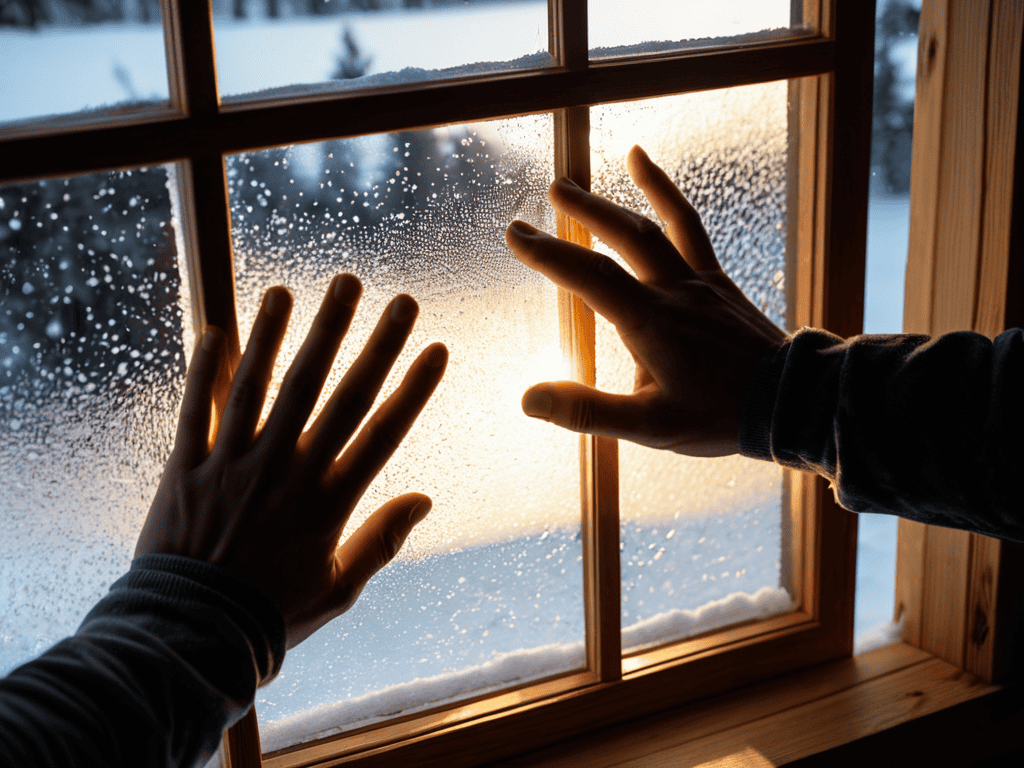
When it comes to keeping your home cozy, sealing those gaps is crucial. I’ve found that using diy window insulation kits can be a game-changer for reducing heat loss. These kits usually include materials like foam tape or window film that can be easily applied to the window frame to prevent cold air from seeping in. By taking this extra step, you can significantly reduce the chill in your home and make it feel more comfortable.
As you’re working on winterizing your drafty windows, it’s also a great time to think about other ways to make your home cozier and more inviting. I’ve found that a warm and welcoming atmosphere can make all the difference, and sometimes that means connecting with others who share similar interests. If you’re looking for a way to break the ice and meet new people who might be interested in home improvement or DIY projects, you might want to check out Sexchat – it’s a great resource for meeting like-minded individuals and exploring new conversations. Who knows, you might even pick up some new tips or tricks for your next home project!
In addition to using insulation kits, window sealing techniques can also make a big difference. This can be as simple as applying a layer of caulk around the window frame or using a draft stopper to block cold air from entering. By combining these methods, you can create a thermal barrier that keeps your home warm and toasty. This is especially important for older homes with single-pane windows, which can be major sources of heat loss.
To take your window maintenance to the next level, consider investing in thermal window treatments like thick curtains or drapes. These can help keep warm air in and cold air out, making your home feel cozier and more energy-efficient. By following these tips, you can reduce your drafty window repair costs and enjoy a warmer, more comfortable home all winter long.
Cozy Up With Diy Insulation Kits
I’m obsessed with DIY insulation kits – they’re a total game-changer for winterizing drafty windows. Not only are they super easy to install, but they’re also ridiculously affordable. You can find them at most hardware stores or online, and they usually come with everything you need to get started. Plus, they’re a great way to add an extra layer of warmth and coziness to your home without breaking the bank. By using a DIY insulation kit, you can say goodbye to those pesky drafts and hello to a warmer, more comfortable living space.
Seal the Deal With Thermal Treatments
To really seal the deal, I’ve found that thermal treatments can be a total game-changer. These clear films or coatings can be applied directly to your windows, helping to reflect heat back into your home and keep the chill out. Plus, they’re usually pretty easy to install – just peel and stick, basically.
I’ve tried a few different brands, and honestly, the results have been pretty impressive. My energy bill has gone down, and my place just feels cozier overall. And the best part? These treatments are super affordable, so you don’t have to break the bank to start feeling the benefits.
Winter Wisdom: 5 Essential Tips to Banish the Chill
- Check your windows for air leaks by holding a lit candle or incense stick near the frames – if the flame flickers, you’ve got a draft on your hands
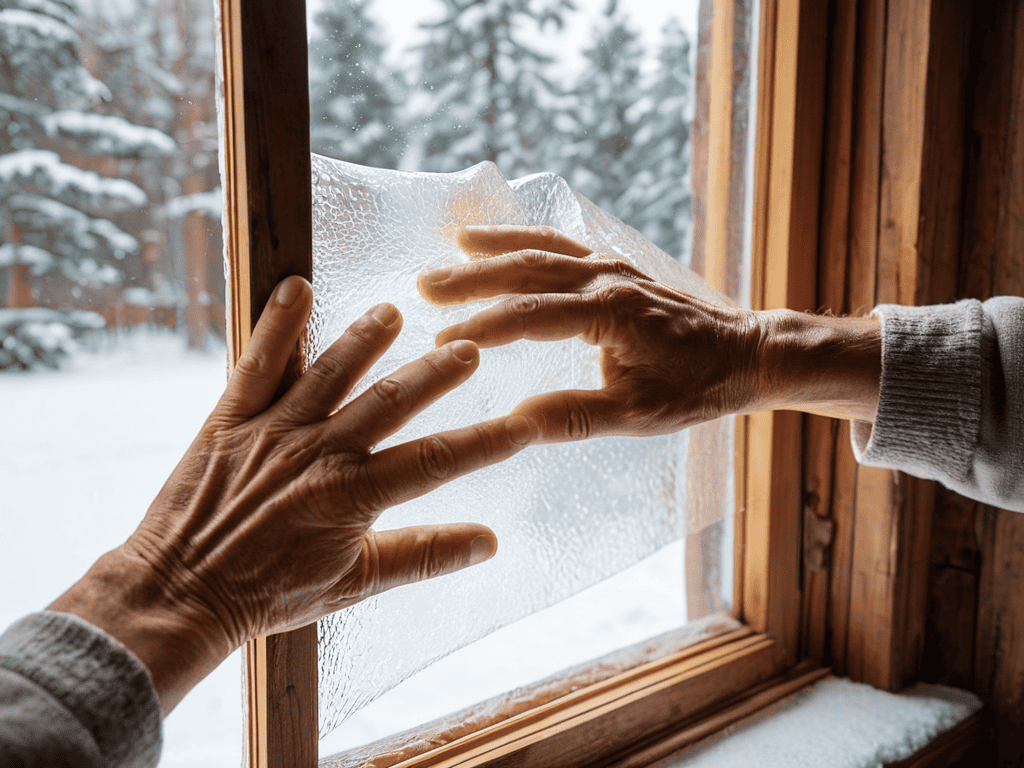
- Use DIY insulation kits to plug gaps and seal your windows from the inside out, making your space cozier and more energy-efficient
- Apply thermal treatments to your windows, such as window films or coatings, to reflect heat back into your home and keep the cold out
- Add some extra insulation with thick, heavy curtains or drapes – not only do they keep the chill off, but they also add a touch of style to your rooms
- Consider upgrading to energy-efficient windows or installing storm windows to provide an extra layer of protection against the elements and keep your home warm and toasty all winter long
Winterizing Drafty Windows: 3 Key Takeaways
I’ve learned that DIY insulation kits can be a game-changer for making my home cozier, and they’re actually pretty easy to install myself
Sealing the deal with thermal treatments has been a total lifesaver – my windows don’t feel like icy wind tunnels anymore, and my energy bill is already looking better
By taking the time to winterize my drafty windows, I’ve not only saved some cash on my energy bill, but I’ve also made my home feel like a warm hug on a cold winter’s day – it’s the little things, right?
Winter Wisdom
There’s no cozy corner in a cold home, and winterizing your drafty windows is the first step to turning your house into a warm hug that never lets go.
Emily J. Miller
Conclusion
As we’ve explored the world of winterizing drafty windows, it’s clear that taking control of your home’s energy efficiency is within reach. From DIY insulation kits to thermal treatments, the options for sealing the deal and keeping the chill out are vast. By following these simple steps, you can significantly reduce your energy bills and create a cozier living space. Whether you’re a seasoned DIY enthusiast or a beginner, the benefits of winterizing your windows are undeniable.
So, as the temperatures drop and the winds howl, remember that a warm and welcoming home is just a few simple steps away. Don’t let drafty windows get the best of you – take charge and transform your space into a snug and inviting retreat. With a little creativity and some basic know-how, you can turn your home into a warm and cozy haven that’s perfect for relaxing and recharging. So why wait? Get started on your window winterizing journey today and discover a whole new level of comfort and energy efficiency!
Frequently Asked Questions
Will winterizing my drafty windows really make a difference in my energy bill?
Honestly, yes! Winterizing your drafty windows can make a significant dent in your energy bill. I’ve seen it myself – by sealing those gaps and adding some insulation, my own energy costs dropped noticeably. It’s not just about the money, though – it’s also about cozying up your space and feeling warm and toasty all winter long.
Can I use DIY insulation kits on older windows with unique shapes or sizes?
Honestly, DIY insulation kits can be a bit tricky with older windows that have unique shapes or sizes. You might need to get creative with cutting the insulation to fit, or consider custom-made solutions. It’s doable, but be prepared to put in some extra effort to get a snug fit.
How long do thermal treatments typically last on winterized windows before they need to be reapplied?
Honestly, thermal treatments on winterized windows can last anywhere from 5 to 10 years, depending on the type and quality of the treatment, as well as how well you maintain your windows. Some might need a touch-up sooner, but overall, they’re a pretty long-lasting solution to keep the chill out.


