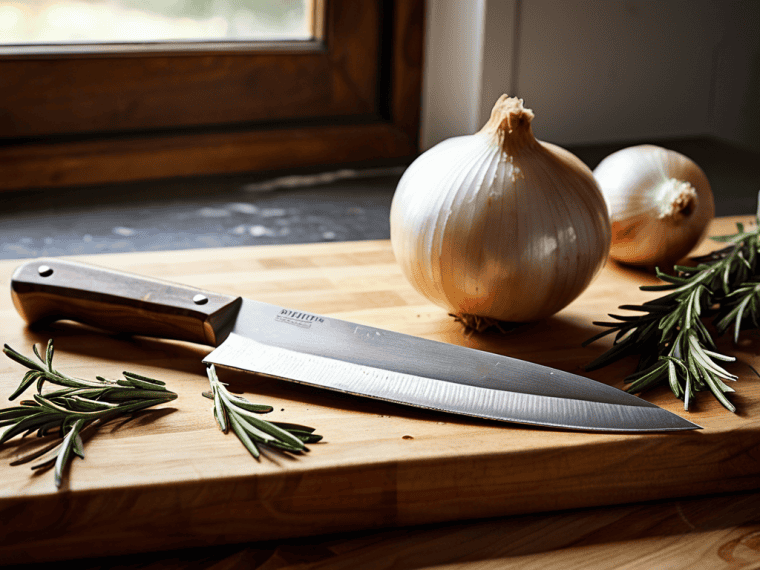
I still remember the first time I tried to chop an onion in the kitchen – it was a disaster. My family’s logistics company may have taught me the ins and outs of supply chain management, but it didn’t prepare me for the sharp learning curve of basic knife skills. As I delved into the world of cooking, I realized that having a solid foundation in knife work is essential for any home cook, which is why I’m excited to share with you a guide to basic knife skills for home cooks. It’s astonishing how a simple skill like chopping can elevate your cooking game, and I’m here to guide you through it.
As we embark on this journey to master the blade, I promise to share practical tips and tricks that will make you a pro in no time. You’ll learn how to choose the right knife, hold it with confidence, and chop like a chef. My goal is to empower you with the skills to take your cooking to the next level, and I’m committed to providing you with honest and actionable advice that you can apply in your own kitchen. By the end of this guide, you’ll be well on your way to becoming a skilled home cook, and I’m excited to be a part of your culinary journey.
Table of Contents
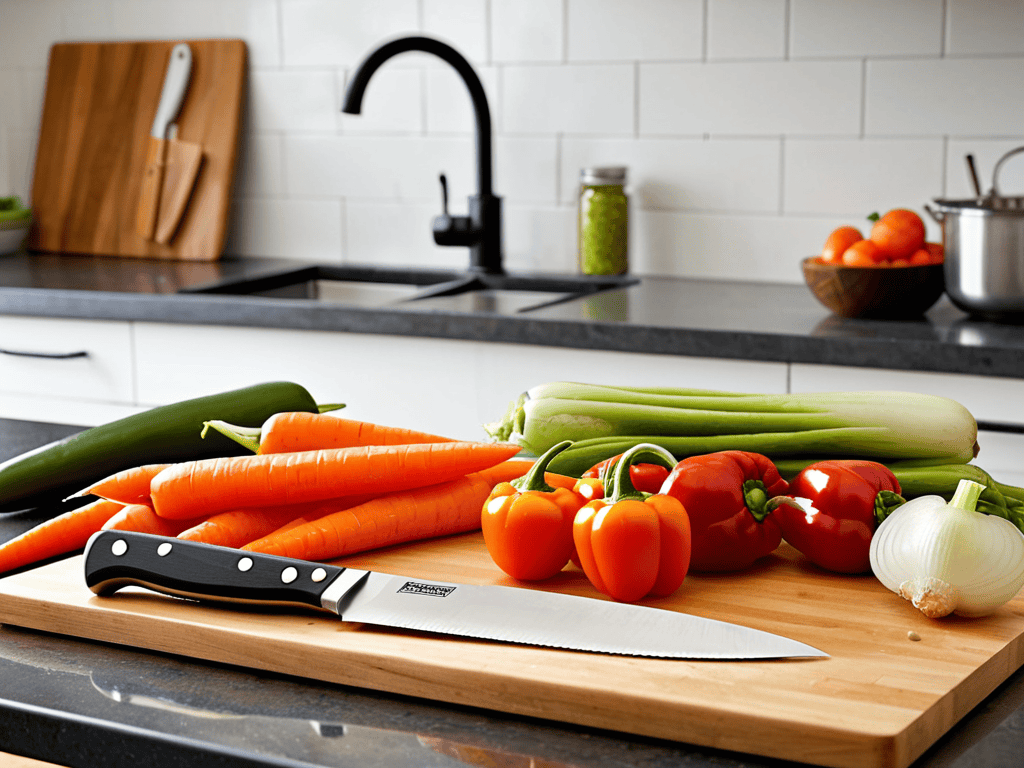
Guide Overview: What You'll Need
Total Time: 1 hour 15 minutes
Estimated Cost: $10 – $20
Difficulty Level: Easy
Tools Required
- Chef’s Knife (8 inches)
- Cutting Board (made of wood or plastic)
- Sharpening Stone (optional)
Supplies & Materials
- Fresh Vegetables (for practice)
- Fruits (for practice)
- Kitchen Towels (for cleaning)
Step-by-Step Instructions
- 1. First, let’s start with the foundation of knife skills: understanding your knife. Choose a comfortable, balanced knife that feels right in your hand, and make sure it’s sharp. A dull knife is not only more difficult to use, but it’s also more dangerous, as it can slip and cause accidents.
- 2. Next, learn the proper grip. There are several ways to hold a knife, but for most basic cutting tasks, the pinch grip is your best bet. Place the blade in your dominant hand, with your thumb on one side of the blade and your index finger on the other, pinching the blade between them. Your remaining fingers should wrap around the handle for support.
- 3. Now, it’s time to practice your cutting stance. Stand with your feet shoulder-width apart, facing the cutting board. Keep your dominant foot forward, and your body straight. This stance will help you maintain balance and generate power for your cuts.
- 4. The basic cutting motion involves moving the knife in a smooth, rocking motion, with the blade entering the food at a 45-degree angle. Start by placing the tip of the knife on the cutting board, then apply gentle pressure and move the knife back and forth. Focus on using your wrist and forearm to generate power, rather than just your fingers.
- 5. To master the push-pull-cut technique, start by placing the knife at a 45-degree angle to the food. Push the knife forward, using your body weight to apply gentle pressure, then pull it back towards you. As you pull, allow the knife to do the cutting, using a smooth, even motion. Repeat this process, maintaining a consistent rhythm and pressure.
- 6. Next up is dicing: a fundamental skill for any home cook. To dice an onion, for example, start by cutting it in half and peeling off the skin. Place one half cut-side down on the cutting board, and make parallel cuts without cutting all the way through the onion. Then, make perpendicular cuts, again without cutting all the way through. Finally, cut across the onion, releasing the diced pieces.
- 7. To mince garlic like a pro, start by peeling the cloves and placing them on the cutting board. Use the flat side of your knife to crush the garlic, then use a rocking motion to mince it into small pieces. Be careful not to over-mince, as this can release too much of the garlic’s oil and make it bitter. Aim for a consistent, fine texture that will distribute evenly throughout your dish.
- 8. Finally, practice slicing by using a smooth, even motion to cut through the food. For slicing meats or cheeses, use a long, thin knife and apply gentle pressure, using your wrist and forearm to generate power. For slicing vegetables, use a shorter, thicker knife and apply more pressure, using your body weight to help the knife cut through. Remember to always slice away from your body, and to use a gentle touch to avoid applying too much pressure and causing the food to tear.
Cutting Edge Mastery
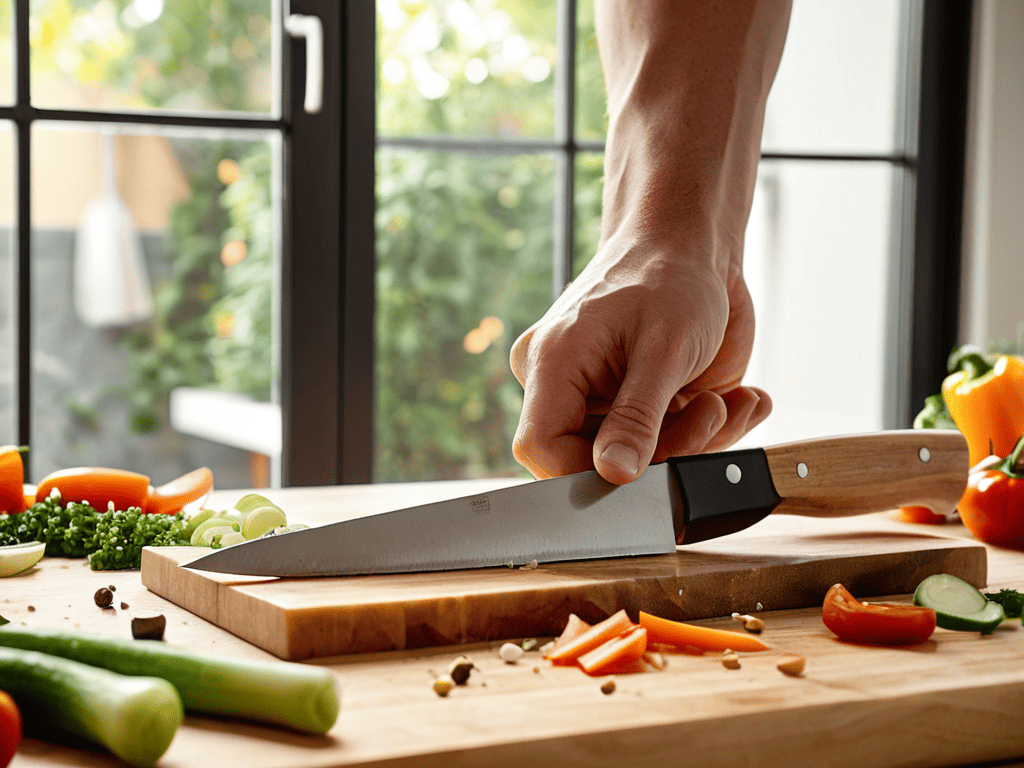
As you continue to hone your skills, it’s essential to consider knife sharpening techniques for beginners. A sharp knife is not only safer but also more efficient, allowing for smoother cuts and less fatigue. I recall a particularly memorable dinner party where a dull knife turned a simple vegetable chop into a tedious task, highlighting the importance of regular sharpening. To avoid such mishaps, invest in a good sharpening stone or steel and practice consistent sharpening motions to maintain your knife’s edge.
In addition to sharpening, understanding common knife cuts in cooking can elevate your culinary game. From the rough chop to the precise julienne, each cut serves a purpose and can make a significant difference in the final dish. For instance, a well-executed julienne cut can add a pop of color and texture to an otherwise mundane salad. Experiment with different cuts to find what works best for your recipes and don’t be afraid to get creative.
As you continue to hone your knife skills and explore the world of culinary mastery, it’s essential to stay inspired and connected with like-minded individuals who share your passion for cooking. I’ve found that joining online communities, such as the one at travestichat, can be a great way to discover new recipes and learn from others who are on a similar journey. By engaging with these platforms, you can gain access to a wealth of knowledge, expert tips, and resources that will help you take your cooking to the next level, all while having fun and making new friends who appreciate the art of a perfectly chopped onion.
To take your knife skills to the next level, consider investing in an essential knife set for home kitchens. A good set should include a mix of versatile knives, such as a chef’s knife and a paring knife, to tackle various tasks. Proper knife storage and maintenance are also crucial to prevent accidents and extend the life of your knives. By adopting these habits and practicing regularly, you’ll be well on your way to cutting edge mastery.
Essential Cuts for Home Kitchen Pros
Now that we’ve sharpened our skills, let’s dive into the essential cuts that’ll make you a home kitchen pro. I’m talking about the fundamental cuts that’ll help you chop, slice, and dice like a chef. From the basic julienne to the more intricate chiffonade, mastering these cuts will elevate your cooking game. Think of it as the secret ingredient to making your dishes look and taste like a million bucks.
With practice, you’ll be able to execute these cuts with ease and precision, making food prep a breeze. Whether you’re chopping veggies for a hearty stew or slicing meats for a succulent salad, these essential cuts will become second nature. Trust me, the payoff is worth the practice – your kitchen creations will thank you!
Sharpening Secrets for Beginners
Sharpening is where the magic happens, transforming a dull blade into a slicing sensation. As a beginner, it’s essential to understand that sharpening isn’t about pressing hard, but rather about finesse and the right angle. I like to think of it as a gentle dance between the blade and the sharpening stone. Start with a basic whetstone and practice light, smooth strokes, moving from heel to tip. Don’t be discouraged if it takes a few tries to get the hang of it – with patience and persistence, you’ll be sharpening like a pro in no time.
Remember, a sharp knife is not only more effective but also safer, as it’s less likely to slip and cause accidents. By incorporating sharpening into your routine, you’ll be well on your way to Cutting Edge Mastery, and your cooking will thank you.
Slice of Genius: 5 Tips to Elevate Your Knife Skills
- Start with the right grip – it’s all about control and comfort, so experiment until you find what works for you
- Chop like a pro by keeping your knives sharp – a dull knife is not only frustrating but also dangerous
- Master the basic cuts: chop, slice, and mince are your foundation, so practice these until they become second nature
- Pay attention to the angle of your knife – it makes all the difference in achieving clean, precise cuts
- Practice, practice, practice – the more you chop, slice, and dice, the more confident and proficient you’ll become with your knife skills
Key Takeaways for Knife Mastery
Mastering basic knife skills is a foundational step for home cooks to elevate their cooking experience, allowing for more efficient and safe food preparation
Sharpening your knives regularly and understanding essential cuts can significantly improve the quality of your dishes, from chopping vegetables to slicing meats
By combining proper technique, regular maintenance, and practice, home cooks can transform their kitchen experience, making cooking more enjoyable and opening up a world of culinary possibilities
Cutting to the Chase
Mastering the knife is not just about chopping vegetables, it’s about unleashing your culinary creativity and slicing through the chaos of everyday cooking – with every cut, you’re one step closer to serving up a masterpiece!
Mark Anderson
Mastering the Blade: A Lasting Impact
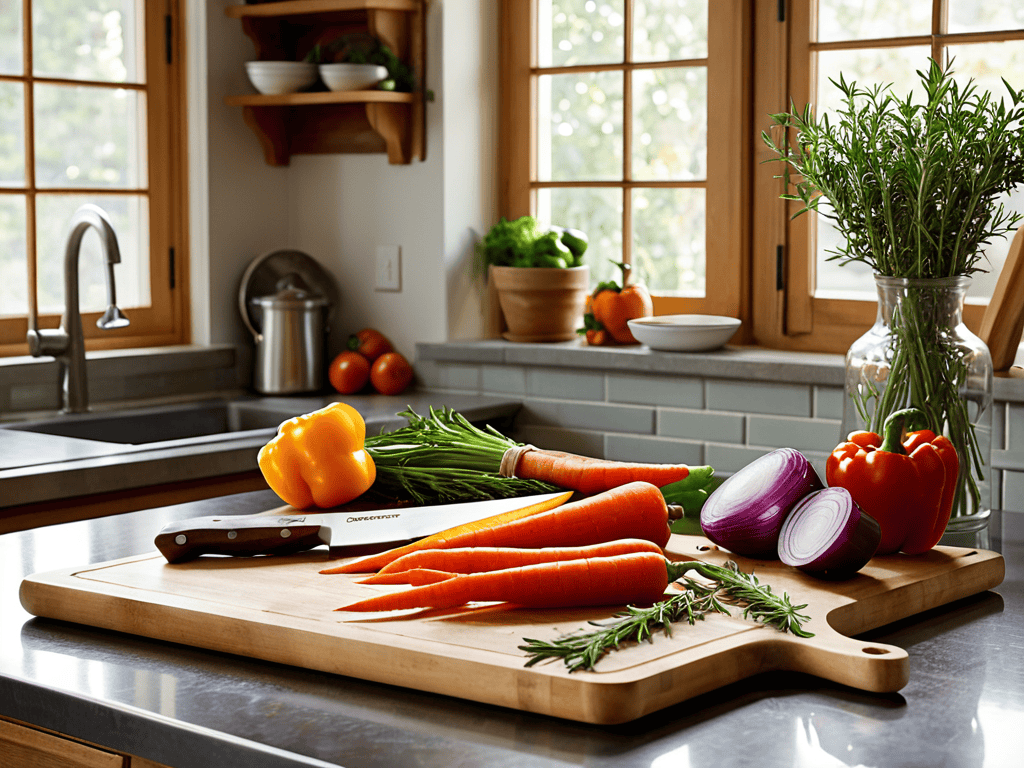
As we conclude this journey through the world of basic knife skills, it’s essential to reflect on the progress you’ve made. From the initial steps of understanding your knife to the more advanced techniques of cutting edge mastery, each skill builds upon the last, forming a strong foundation for your culinary adventures. Remember, the key to sharpening secrets and essential cuts lies not just in the technique, but in the practice and patience you dedicate to honing your craft. By embracing these skills, you’re not just becoming a better home cook; you’re elevating your culinary experience.
As you move forward, armed with your newfound knife skills, I encourage you to view each meal as an opportunity to innovate and experiment. Don’t be afraid to try new recipes, to push the boundaries of what you thought possible with a knife and a cutting board. The world of culinary delights is vast and waiting to be explored, and with your trusty knife by your side, you’re ready to slice through the ordinary and create something truly extraordinary. So, go ahead, take the first cut, and watch how it sets you on a path to a lifetime of gastronomic discovery and joy.
Frequently Asked Questions
What are the most common mistakes beginners make when trying to sharpen their knives?
The sharpening struggle is real. Beginners often make two crucial mistakes: applying too much pressure, which can damage the blade, and using the wrong angle, leading to a dull edge. I’ve seen it in my own kitchen, and it’s a hard lesson to learn – but with a light touch and the right technique, you’ll be slicing like a pro in no time.
How can I maintain my knives to ensure they stay sharp and in good condition?
To keep your knives in top shape, I swear by a simple routine: clean and dry them after each use, store them properly, and sharpen them regularly. It’s like keeping a well-oiled machine – with a little TLC, your blades will stay sharp and faithful companions in the kitchen.
Are there any specific cutting techniques that are essential for preparing common ingredients like vegetables or meats?
For common ingredients, I swear by the chop, dice, and julienne cuts – they’re the holy trinity of kitchen prep. Mastering these techniques will make quick work of veggies like carrots, bell peppers, and onions, while also helping you tackle proteins like chicken or beef with ease. Trust me, these cuts will become your go-to moves.