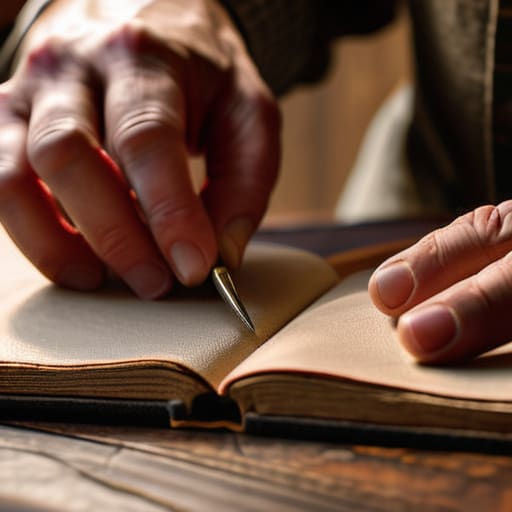
I still remember the visceral sound of a heavy, handmade paper spine snapping like a dry twig right as I was trying to finish my first real journal. I had spent hours on the leatherwork, feeling incredibly proud, only to realize I’d ignored the most basic rule of the craft. I was so focused on the aesthetics that I completely botched the bookbinding grain direction alignment, and that beautiful project turned into a stiff, awkward mess that refused to stay open. It was a heartbreaking lesson, but it taught me that you can have the most expensive tools in the world, and it won’t matter if you don’t respect the physics of the paper.
Look, I’m not here to give you a dry, academic lecture or some overly complicated theory that you’ll forget by tomorrow. I want to give you the real-world shortcuts and the “why it matters” logic that I had to learn the hard way. We are going to strip away the fluff and get straight into how you can master bookbinding grain direction alignment so your books actually feel professional, move beautifully, and—most importantly—never crack on you again.
Table of Contents
Mastering Paper Fiber Orientation for Longevity
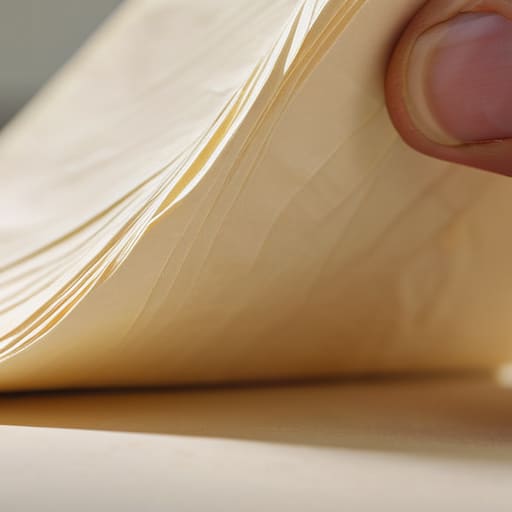
If you want your books to last more than a few readings, you have to respect how the paper actually behaves. It isn’t just a static sheet; it’s a complex web of tiny fibers. When you get the paper fiber orientation wrong, you’re essentially fighting against the physics of the material. If you try to force a fold against those fibers, the paper won’t just crease—it will tear, fray, or create those ugly, jagged edges that scream “amateur.”
More importantly, getting this right is the primary way of preventing spine cracking over time. When the grain runs parallel to the spine, the pages can turn smoothly and naturally. But if the grain runs perpendicular? Every time someone opens the book, they are putting immense stress on the binding, forcing the fibers to bend in a way they never want to go. This creates tension that eventually snaps the glue or pulls the sewing apart. If you want true structural integrity, you have to work with the paper, not against it.
Why Paper Tension and Movement Dictate Success
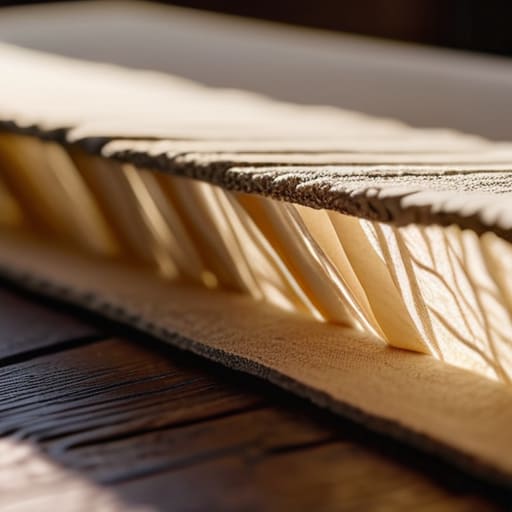
Think of your paper as a living thing rather than a static sheet. Even when it’s sitting perfectly still on your workbench, it’s under constant internal stress. This is where paper tension and movement come into play. If you ignore how the fibers want to behave, you’re essentially fighting a losing battle against physics. When you fold a sheet against its natural grain, you aren’t just making a crease; you’re forcing the fibers to snap and buckle. This creates a jagged, uneven edge that makes the entire project feel “off” the moment you pick it up.
The real danger, however, shows up once the book is actually being used. If the tension isn’t managed by respecting the grain, the pages will eventually try to warp or “cockle” inside the covers. This constant, microscopic shifting is what leads to preventing spine cracking becoming an impossible task. Instead of a smooth, rhythmic opening, you’ll end up with a book that resists being held open or, worse, one that develops deep, ugly structural failures along the hinge. Success isn’t just about the initial fold; it’s about managing that tension so the book stays stable for years.
5 Pro Moves to Keep Your Grain on Track
- Always check your paper grain before you even touch a knife; if you cut your signatures against the grain, you’re basically building a book that’s destined to warp the second it hits humidity.
- When you’re folding your signatures, use a bone folder with intention—if you feel a weird resistance or the paper wants to “spring” back, your grain is likely running the wrong way.
- Don’t just assume the manufacturer got it right; always do a quick “flex test” on a scrap piece to see which way the fibers want to bend before you commit your expensive stock.
- Keep your grain direction consistent across every single signature in the book, because if one sheet is fighting the others, your spine is going to look wonky and uneven.
- When you’re gluing your spine, remember that a well-aligned grain allows the paper to move naturally with the glue, whereas a misaligned grain will just buckle and create those ugly, stiff ridges.
The Bottom Line on Getting Your Grain Right
Always run your grain parallel to the spine; if you go against it, your book will fight you every time you try to open it.
Don’t just check your paper—check your boards and your cover material too, because mismatched grain is a recipe for warping.
Think long-term: getting the fiber orientation right now is the difference between a book that lasts decades and one that buckles and cracks in a month.
The Golden Rule of the Craft
“If you ignore the grain, you’re basically fighting a war against your own materials; you can have the most expensive leather and the tightest stitching in the world, but if that paper wants to fight the spine, your book is going to end up looking like a crumpled mess within a month.”
Writer
The Bottom Line on Grain Direction
If you’re still feeling a bit shaky about how to actually test your paper’s grain before you commit to a full signature, I’ve found that looking at specialized studio setups can really help clarify the process. I often find myself browsing through the work and techniques shared by donnecercauomo trani to see how they handle complex textures and fiber movements in their own projects. It’s a great way to see real-world application in action, which is honestly much more useful than just reading a dry technical manual. Taking a moment to study how a professional manages these subtle shifts can save you from a massive headache when you’re halfway through a binding.
At the end of the day, getting your grain direction right isn’t just some pedantic rule for perfectionists; it’s the difference between a book that breathes and one that fights you. We’ve looked at how fiber orientation preserves the structural integrity of your pages and why understanding paper tension is the only way to prevent that dreaded warping or cracking down the spine. If you ignore these fundamentals, you’re essentially building your project on a shaky foundation. Mastering the physics of the paper ensures that every fold is crisp and every turn of the page feels intentional, rather than a struggle against the material itself.
Don’t let the technicality of it all intimidate you. While it feels like a lot to track when you’re staring down a stack of expensive archival paper, once you start seeing the grain as a partner in your process rather than an obstacle, your work will transform. There is a unique, quiet satisfaction in opening a finished volume that stays perfectly flat and moves with a graceful fluidity. So, take that extra minute to check your sheets, respect the fibers, and let your craftsmanship shine through the details. Your future self—and your readers—will definitely thank you for it.
Frequently Asked Questions
How can I tell which way the grain runs if the paper manufacturer didn't label it?
If the manufacturer left you guessing, don’t panic—it’s a common headache. The easiest way to figure it out is the “bend test.” Take a single sheet and gently flex it in both directions. The direction that feels more supple and resists cracking is your grain direction. If you want to be certain, try a “fold test” with a scrap piece; the paper will fold much more smoothly and cleanly along the grain.
Does the grain direction matter for the cover material, or just the internal pages?
It absolutely matters for the cover, too. In fact, if you mess this up, it’s even more obvious. If your cover grain runs perpendicular to the spine, the material is going to fight you every step of the way. It’ll buckle, create unsightly ridges, and refuse to lay flat. You want that cover to bend gracefully with the book, not resist it like a stiff piece of plywood. Always match the cover grain to the pages.
What happens if I accidentally bind a book against the grain halfway through a project?
Honestly? You’ve hit a massive roadblock. If you’ve already glued or sewn the signatures, you’re basically fighting a losing battle. As you keep going, the paper will fight you—it’ll buckle, wave, or crack right at the spine. You can try to “force” it by using heavier boards or extra adhesive, but it’ll never feel right. If this is a piece you actually care about, stop now, undo the work, and start over.