If you’ve spent any time scrolling through social media lately, you’ve probably been sold the lie that learning how to start indoor gardening requires a massive capital investment in designer ceramic pots and high-tech, automated hydroponic systems that cost more than a decent steak dinner. Honestly, it’s a total racket. Most of these “influencers” are selling a lifestyle of aesthetic perfection rather than the actual, messy reality of biological growth. I see it all the time in my consulting work too: people overcomplicating a simple process with expensive tools before they’ve even mastered the fundamental mechanics of the operation.
I’m not here to sell you on a fancy setup or a collection of overpriced gadgets. Instead, I want to treat your new green space like a high-performing startup: we’re going to focus on lean operations, resource management, and scalable growth. I’m going to walk you through the practical, no-nonsense steps to building a sustainable indoor ecosystem that actually thrives, regardless of your square footage or budget. We’ll strip away the hype and focus on the strategic precision you need to turn a few seeds into a flourishing, living asset.
Selecting Your Assets the Best Indoor Plants for Beginners
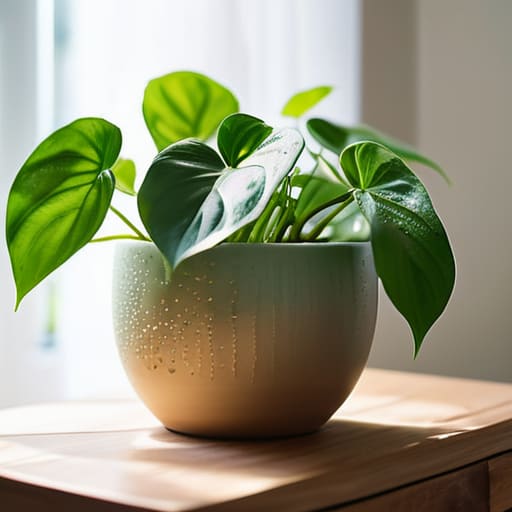
When you’re building a new venture, you don’t start with high-risk, high-maintenance derivatives; you start with blue-chip assets that offer steady returns. The same logic applies here. To avoid early burnout, you need to identify the best indoor plants for beginners—the ones that are resilient enough to survive a missed meeting or a hectic week of back-to-back calls. I always recommend starting with a Snake Plant or a Pothos. These are your “low-overhead” employees; they require minimal supervision and are incredibly forgiving if your management style is occasionally inconsistent.
However, even the most robust assets require the right infrastructure to thrive. Before you head to the nursery, consider your indoor gardening light requirements as if you were auditing a facility’s utility costs. A plant that thrives in a sun-drenched corner of a Boston loft will likely fail in a dim, north-facing office. Match your botanical selection to your available “natural capital” to ensure your initial investment doesn’t just survive, but actually scales.
Mastering the Foundation Navigating Essential Indoor Potting Soil Types
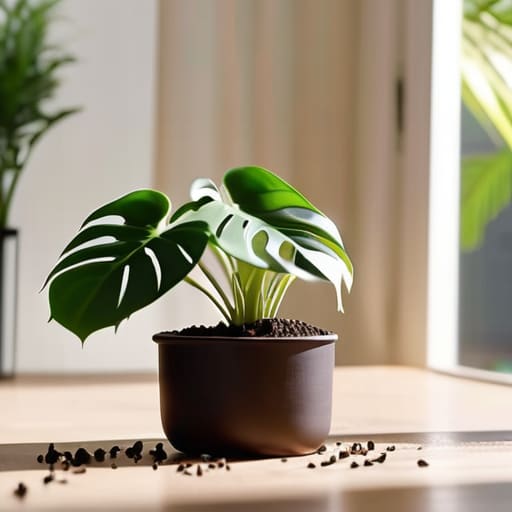
If choosing your plants was the “seed funding” phase of your new venture, then selecting your soil is akin to building your operational infrastructure. You can have the most brilliant strategy in the world, but if your foundation is unstable, the whole enterprise collapses. In the world of houseplant care essentials, the biggest mistake I see professionals make is treating soil as a commodity rather than a specialized asset. Using standard garden soil from your backyard is a recipe for disaster; it’s too dense, lacks aeration, and can introduce unwanted pathogens into your controlled environment.
Instead, you need to audit your specific needs by looking at various indoor potting soil types. For most of your leafy companions, a high-quality, peat-based or coco coir-based potting mix is your best bet—it offers that crucial balance of moisture retention and drainage. However, if you’re pivoting toward an indoor herb garden setup, you’ll want something even more granular to prevent root rot. Think of it as optimizing your supply chain: the right medium ensures that nutrients and oxygen reach their destination with maximum efficiency, allowing your green investments to scale beautifully.
Scaling Your Green Operations: 5 Strategic Pillars for Indoor Success
- Audit Your Micro-Climate: Before you commit capital to a new plant, perform a thorough situational analysis of your space. Light is your primary resource; a sun-drenched windowsill is a high-growth market, while a dim corner is a niche environment that requires specific, low-light assets to avoid a total loss of investment.
- Implement a Rigorous Resource Management Protocol: Overwatering is the equivalent of over-leveraging a startup—it feels like you’re providing support, but you’re actually drowning the very thing you’re trying to build. Stick to a disciplined watering schedule and always test the soil’s moisture levels before deploying more liquid assets.
- Invest in Scalable Infrastructure: Don’t skimp on your hardware. High-quality drainage trays and moisture meters are the “logistics software” of your indoor garden. They provide the data and the containment necessary to ensure your operations don’t spill over into unintended areas of your home.
- Monitor Your KPIs (Key Plant Indicators): In business, we watch the margins; in gardening, you watch the leaves. Yellowing, drooping, or spotting are your early warning signals of a market shift—be it a change in humidity or a nutrient deficiency—allowing you to pivot your strategy before the situation becomes critical.
- Embrace Iterative Growth: Your first few months are essentially a pilot program. Don’t be discouraged if a particular species fails to thrive in your specific ecosystem. Treat every wilted leaf as a post-mortem analysis, refine your approach, and reinvest your learnings into the next round of greenery.
The Final Audit: Cultivating Your Green ROI
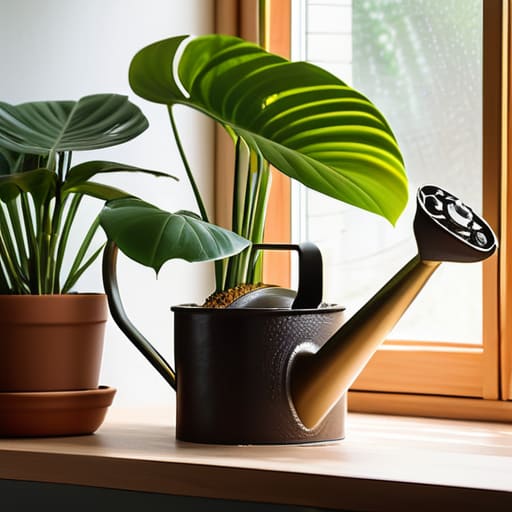
As we wrap up this initial phase of your indoor gardening venture, remember that you’ve essentially built the framework for a high-performing ecosystem. We’ve moved from the high-level strategy of selecting the right “assets”—those resilient beginner plants—to the critical groundwork of securing the right potting soil to ensure a stable foundation. Just like any successful business rollout, the key is not to launch everything at once, but to ensure your foundational resources are robust enough to support long-term scaling. You have the inventory and the infrastructure; now, it is simply a matter of consistent, strategic maintenance to see those initial investments bloom.
I often look at my collection of vintage business cards when I’m stuck on a problem, and they remind me that every great empire started with a single, well-executed transaction. Your indoor garden is no different. It might feel like a small project today, but as you learn to read the subtle signals of your plants, you are developing a specialized form of operational intuition. Don’t be afraid of a little trial and error—in the boardroom and in the greenhouse, the most profound growth often comes from the lessons learned during a pivot. Now, go out there, get your hands a little dirty, and start building your legacy, one leaf at a time.
Once you’ve secured your plant selection and your soil foundation, the next step is managing the environmental variables—think of it as optimizing your supply chain for maximum output. Light, humidity, and temperature are the moving parts that can either drive your growth or cause a total operational collapse. If you find yourself staring at a wilting leaf and feeling like you’ve hit a strategic dead end, I highly recommend leaning on a bit of external expertise to troubleshoot the nuances. Sometimes, a quick consultation or a deep dive through dirtychatusa chat can provide the real-time clarity you need to pivot your care routine and get your green assets back on a trajectory for success.