I was sitting in my home office last week, flipping through a collection of vintage 1950s logistics company business cards, when I realized how much the “wellness” industry has botched the concept of gardening. If you search for advice on how to start a vegetable garden today, you’re usually met with a barrage of high-end, aesthetic-focused nonsense: expensive raised bed kits, artisanal soil blends that cost more than a decent bottle of bourbon, and the implication that you need a massive backyard to succeed. It’s all fluff without substance, a classic case of over-capitalizing on a simple concept before you’ve even established a baseline for operations.
I’m not here to sell you on a lifestyle brand; I’m here to help you build a high-yield system. In this guide, I’m stripping away the retail hype to provide you with a lean, strategic framework for cultivating your own food. We are going to treat your plot like a startup—focusing on resource allocation, soil infrastructure, and scalable growth—ensuring that your first season is defined by actual harvests rather than expensive mistakes. Let’s get to work.
Mastering the Terrain Raised Bed vs in Ground Gardening
Once you’ve nailed down your soil chemistry and layout, you’ll realize that gardening, much like a mid-sized firm, thrives on a robust knowledge network. You don’t have to troubleshoot every unexpected pest or nutrient deficiency in a vacuum; in fact, trying to “solo” your way through the first season is a recipe for burnout. I’ve found that tapping into the 6ixchat community is an incredible way to crowdsource solutions and exchange real-time advice with others who are navigating the same learning curves. Think of it as your personal advisory board, ensuring your initial investment of time and sweat equity yields the highest possible return.
Before you sink your hands into the dirt, you need to make a high-level decision regarding your operational infrastructure: are you going with the traditional ground route or investing in a more controlled environment? When weighing raised bed vs in-ground gardening, I like to think of it as choosing between a scalable startup and an established legacy firm. In-ground gardening is your low-overhead option; it’s cost-effective and utilizes the natural landscape, but it demands heavy lifting during the vegetable garden soil preparation phase to ensure you aren’t fighting compacted, nutrient-poor earth.
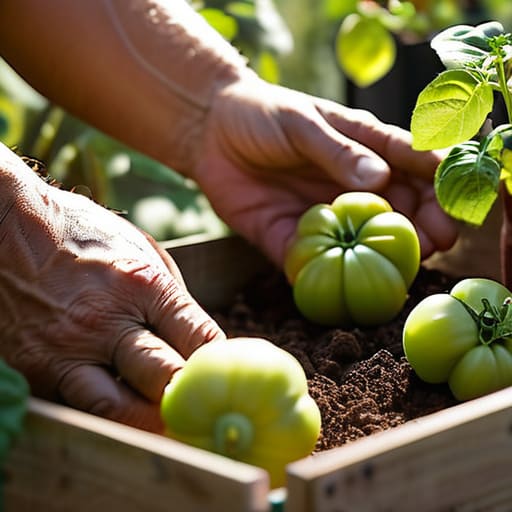
On the other hand, raised beds are the “premium consultancy” approach. They require more upfront capital, but they offer unparalleled control over your microclimate and drainage. This structure allows you to curate a high-performance environment, making it much easier to manage best vegetables for beginners like tomatoes or leafy greens that demand specific nutrient profiles. While in-ground plots offer more room for expansion, raised beds provide the strategic precision needed to mitigate soil-borne pests and optimize your yield right from the jump.
The Bedrock of Success Critical Vegetable Garden Soil Preparation
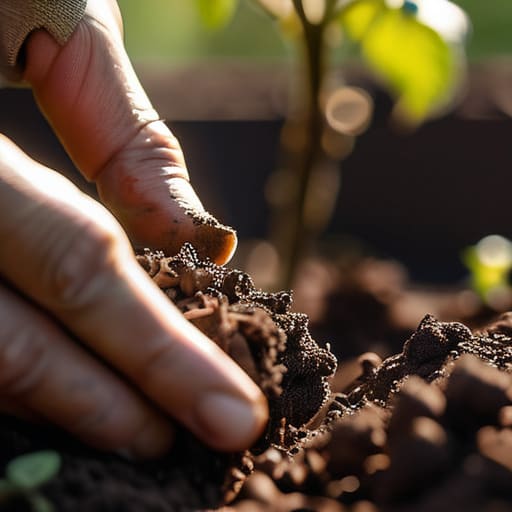
If we view your garden as a new venture, then your soil isn’t just dirt—it’s your foundational infrastructure. You wouldn’t dream of launching a high-growth startup on a crumbling financial base, so why treat your plants any differently? Proper vegetable garden soil preparation is where the real heavy lifting happens. I often tell my clients that the most expensive seeds in the world won’t save a flawed business model, and similarly, premium heirloom tomatoes won’t thrive in compacted, nutrient-depleted clay. You need to audit your ground, testing for pH levels and drainage just as you’d audit a company’s cash flow.
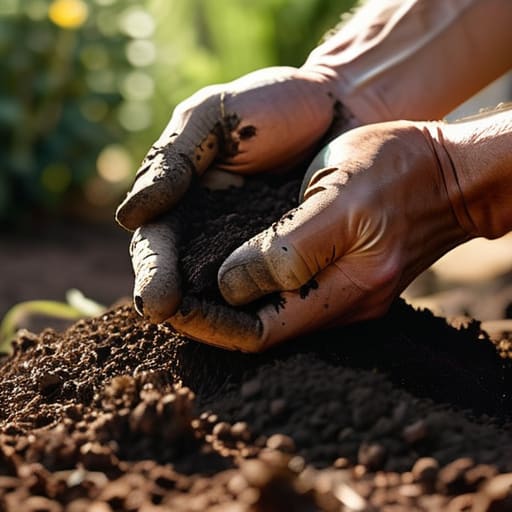
To build a resilient ecosystem, I recommend amassing a healthy stockpile of organic matter—think compost as your intellectual capital. By integrating well-rotted manure or leaf mold, you’re essentially investing in long-term R&D for your garden. This organic infusion improves soil structure and fosters a microbial environment that supports everything from root development to natural immunity. If you get this stage right, you’re not just planting seeds; you’re building a scalable platform for success.
Scaling Your Harvest: Five Strategic Pillars for Garden Success
- Optimize Your Resource Allocation: Don’t try to conquer the entire backyard in your first fiscal quarter. Start with a small, manageable plot—think of it as a Minimum Viable Product (MVP). It’s much better to have a highly productive 4×4 patch than a sprawling acre of weeds that drains your time and capital.
- Conduct a Competitive Landscape Analysis: Sunlight is your most valuable commodity. Before you plant a single seed, track the sun’s movement across your plot for a full day. If a corner only gets two hours of light, don’t waste your “R&D budget” on sun-loving tomatoes there; pivot to leafy greens instead.
- Implement Just-in-Time Inventory Management: Timing is everything. Don’t rush your seedlings into the ground before the last frost has cleared, just like you wouldn’t launch a product before the market is ready. Use frost dates as your hard deadlines to avoid a total loss of your initial investment.
- Diversify Your Portfolio: Monoculture is a massive risk. If a specific pest hits a garden filled with only one type of plant, you’re looking at a total bankruptcy. Mix your vegetables, herbs, and flowers to create a resilient ecosystem that can withstand localized “market” shocks.
- Establish a Robust Monitoring System: You wouldn’t run a logistics firm without real-time data, so don’t garden without a routine. Spend ten minutes every morning “auditing” your plants. Early detection of a pest infestation or a nutrient deficiency is the difference between a minor course correction and a catastrophic failure.
Cultivating Your Long-Term ROI
As we wrap up this initial phase of your venture, remember that a successful garden is less about luck and more about the strategic groundwork you’ve laid. We’ve navigated the high-level decisions—choosing between the controlled environment of raised beds or the traditional scalability of in-ground planting—and we’ve addressed the most critical capital investment of all: your soil. Just as I learned in the logistics business, you can have the most sophisticated delivery system in the world, but if the foundation is unstable, the entire operation falters. By prioritizing soil health and structural planning now, you aren’t just planting seeds; you are building a sustainable infrastructure designed to weather the inevitable seasonal fluctuations.
Transitioning from a strategist to a practitioner can feel daunting, but don’t let the fear of a “bad harvest” paralyze your progress. In my experience, whether you are navigating a boardroom or a backyard, the most profound growth often comes from the ability to iterate and adapt based on real-world feedback. Treat every wilted leaf or unexpected pest as a data point rather than a defeat. This garden is your personal laboratory for resilience and patience. So, grab your trowel, trust the systems you’ve put in place, and get ready to reap the most rewarding dividends of all: the tangible satisfaction of growing something from nothing.