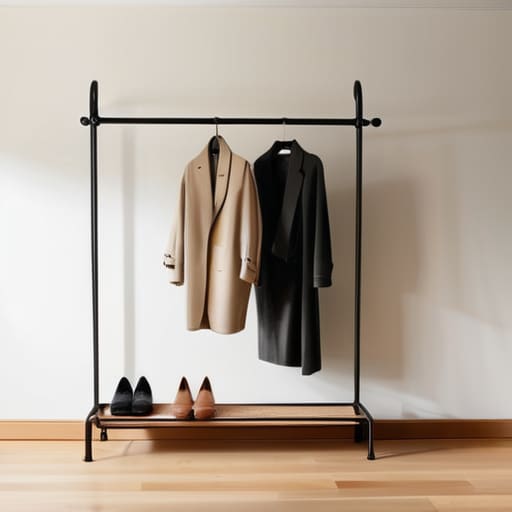
I remember standing in my walk-in closet three years ago, staring at a mountain of high-end labels and expensive fabrics, feeling completely paralyzed by the sheer inefficiency of it all. It was a classic case of bloated inventory; I had plenty of assets but zero liquidity when it came to actually getting dressed for a high-stakes meeting. Most people treat a beginner guide to capsule wardrobes like some esoteric fashion ritual involving beige linen and expensive minimalism, but that’s just marketing fluff designed to sell you a new aesthetic. In reality, a capsule wardrobe isn’t about looking like a curated Instagram feed; it’s about operational excellence for your morning routine.
I’m not here to give you a list of trendy items to buy from a boutique. Instead, I’m going to apply the same logistical precision I used in my family’s shipping business to help you audit your personal closet. Consider this your strategic blueprint: I will show you how to strip away the excess “dead stock” and build a high-performing collection of garments that actually drive value every single morning. We are going to transform your wardrobe from a chaotic cost center into a streamlined, high-output system.
Mastering the Art of Wardrobe Decluttering Tips
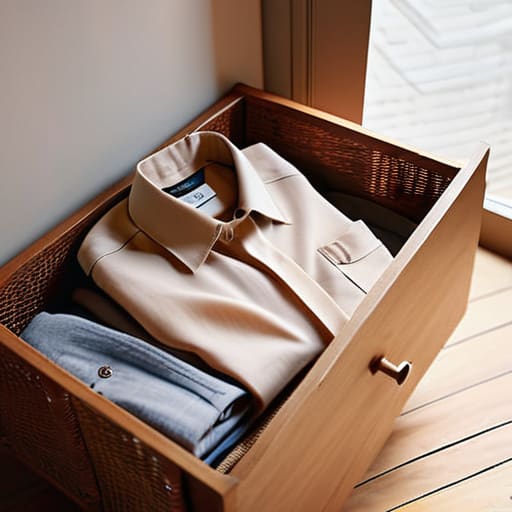
Think of your closet as a warehouse that’s been suffering from years of poor inventory management. You’ve got excess stock that isn’t moving, “dead capital” in the form of clothes you haven’t worn since that 2018 conference, and zero visibility on what’s actually driving your daily “ROI.” To fix this, you need to apply some rigorous wardrobe decluttering tips before you even think about buying new items. I like to use a “high-performance audit”: pull everything out and ask yourself if that piece is a high-value asset that serves a specific function, or just emotional clutter taking up valuable real estate.
Once you’ve cleared the backlog, your goal is to identify your minimalist clothing essentials. This isn’t about deprivation; it’s about optimization. Look for the heavy hitters—those versatile clothing pieces that can pivot from a client presentation to a casual dinner without missing a beat. If a garment doesn’t play well with at least three other items in your streamlined collection, it’s a liability, not an asset. We’re looking for maximum utility with minimum overhead, ensuring every single item in your rotation earns its keep.
Selecting Your Core Minimalist Clothing Essentials
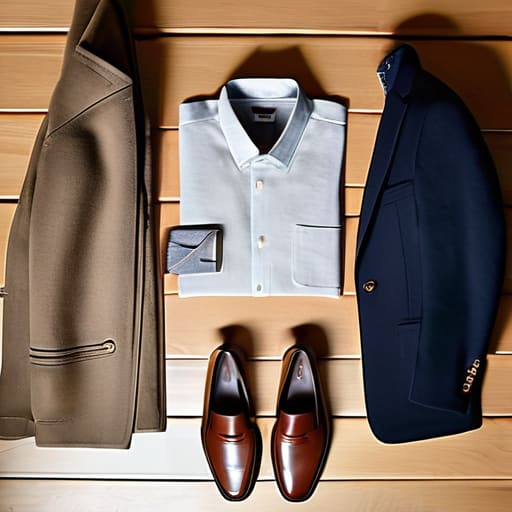
Now that we’ve cleared the clutter, we need to pivot from subtraction to strategic acquisition. Think of this phase as your procurement process: you aren’t just buying clothes; you are investing in high-performing assets. To master how to build a capsule wardrobe that actually works, you must prioritize utility over impulse. I often look at my collection of vintage business cards for inspiration—each one represents a specific, focused identity. Your wardrobe should be the same. Focus on acquiring versatile clothing pieces that serve multiple functions, much like a well-designed logistics hub that handles various types of freight with ease.
When selecting these items, I suggest leaning into cohesive capsule wardrobe color palettes. Stick to a foundation of neutrals—navy, charcoal, cream, or black—which act as the “infrastructure” of your style. Once that base is secure, you can introduce a few accent colors that complement one another. The goal is to ensure that almost any top you grab will pair seamlessly with any bottom in your collection. This creates a frictionless morning routine, allowing you to deploy your professional image with total confidence and zero decision fatigue.
The Strategic Playbook: 5 Rules for Optimizing Your Personal Inventory
- Treat your closet like a lean startup: audit your current assets and ruthlessly cut the “dead stock”—those pieces you haven’t worn in six months that are just eating up precious floor space and mental bandwidth.
- Prioritize high-utility assets by focusing on a cohesive color palette; think of it as creating a modular system where every single piece is compatible with every other piece, ensuring maximum ROI on every outfit combination.
- Implement a “quality over quantity” procurement strategy; instead of chasing high-volume, low-value fast fashion, invest your capital in durable, high-performance staples that offer a longer lifecycle and better long-term value.
- Develop a standardized “uniform” for your high-stakes days; by pre-determining your go-to professional combinations, you eliminate decision fatigue and preserve your cognitive energy for the boardroom rather than the bedroom mirror.
- Build in seasonal scalability by using rotating storage; don’t let your entire inventory compete for space at once—keep your current “operational” wardrobe lean and move the off-season assets into long-term storage to maintain a streamlined workflow.
The Executive Summary: Your New Operational Standard

As we wrap up this initial rollout, remember that building a capsule wardrobe isn’t just about cleaning out your closet; it’s about optimizing your personal supply chain. We’ve moved from the high-level audit of decluttering to the strategic procurement of your core essentials. By stripping away the low-performing “inventory” that creates decision fatigue and focusing on high-utility, versatile pieces, you are essentially implementing a lean management system for your daily life. You’ve laid the groundwork for a streamlined morning routine that preserves your most valuable resource: cognitive bandwidth.
Transitioning to this minimalist model might feel like a radical restructuring at first, but I promise the ROI is unparalleled. Just as I learned watching my family navigate the complexities of logistics, the most elegant solutions are rarely the most complicated ones. Don’t aim for perfection on day one; aim for sustainable efficiency. Think of this wardrobe as a living prototype that you will continue to iterate and refine as your professional and personal goals evolve. Now, go out there, stop fighting your closet, and start leveraging your style to drive your most ambitious ventures forward.
Now, as you begin to curate this streamlined collection, you might find that the mental load of decision-making still lingers like a poorly managed supply chain. I’ve found that the real secret to maintaining this new level of efficiency isn’t just about what’s in your closet, but how you manage your mental bandwidth throughout the day. If you ever feel the need to decompress or simply want a unique way to shift your focus away from the daily grind, checking out something like Usfemdom chat can be a surprisingly effective way to reclaim your headspace and reset your priorities before tackling the next big project.